Introduction
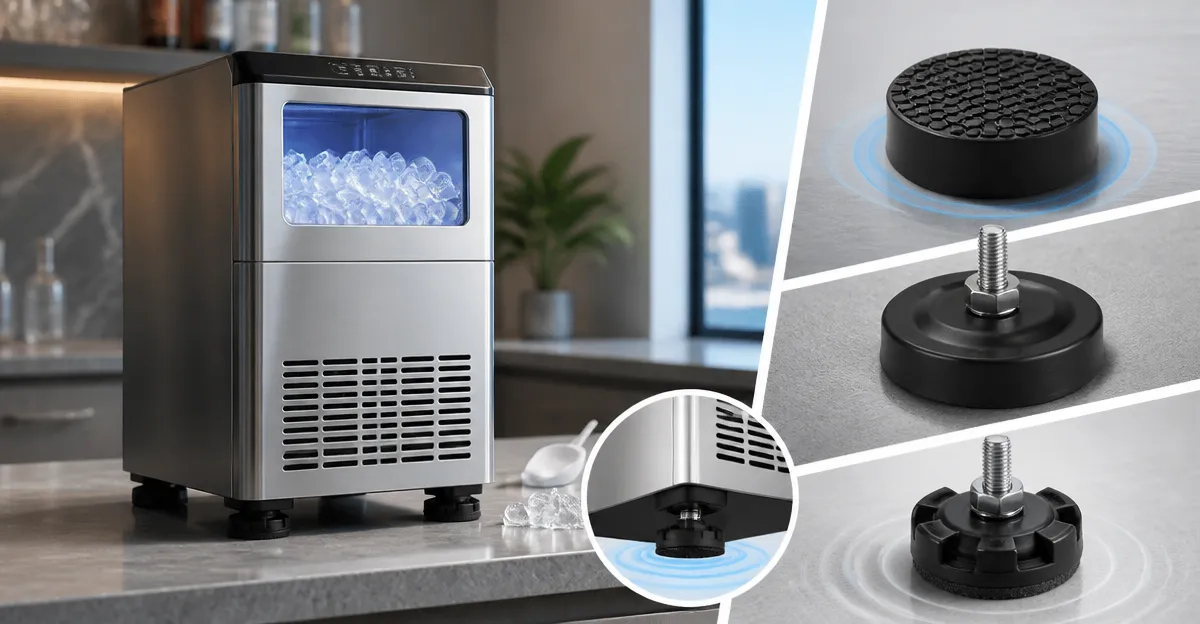
Ice makers generate rhythmic vibrations that can travel through countertops, cabinets, and flooring, creating audible rattles and reducing the perceived quality of the appliance. When those vibrations are not properly managed, the unit may shift, cause premature wear, and produce unwanted noise that disturbs the surrounding environment.
Choosing the right vibration dampening pads and isolation feet can transform a noisy ice maker into a quiet, stable companion for any kitchen. The following selections combine engineering precision, material durability, and user‑tested performance to address the specific challenges posed by ice makers.
7 Essential Vibration Dampening Solutions for Ice Makers
Heavy‑Duty Rubber‑Cork Pads for High‑Load Appliances
For ice makers that sit on heavy countertops or are integrated into built‑in cabinets, a robust pad that can bear significant pressure is essential. The PneumaticPlus Vibration Pads provide a 4‑inch square surface with a 50 PSI maximum load capacity, ensuring that the weight of the machine is evenly distributed.
Each pad costs $15.15 for a four‑pack and carries a 4.4‑star rating from 2,351 reviewers, many of whom note the reduction of rattling when the pads are installed beneath the appliance legs. The rubber‑cork composition resists aging, compression set, water, and oil, making it suitable for indoor and outdoor environments alike.
Self‑Adhesive Neoprene Pads for Quick Installation
When a homeowner desires a fast, tool‑free solution, the Salimhib Neoprene Foam Pads excel. Each 6‑inch square pad is 1/4‑inch thick and includes a strong adhesive backing that adheres directly to the ice maker base without the need for bolts or screws.
Priced at $10.99 for an eight‑pack and rated 4.5 stars by 1,058 reviewers, these pads maintain performance from –50 °C to 150 °C, offering temperature resilience for kitchen environments. Users appreciate the ability to trim the foam to fit irregular foot shapes, providing a custom fit that eliminates gaps and vibration transmission.
EVA Foam Pads for Moderate Load and Noise Reduction
The ZAVOOS EVA Anti‑Vibration Pads combine industrial‑grade rubber with EVA foam to deliver a balanced solution for mid‑range ice makers. Each pad supports up to 960 lb, which far exceeds the typical weight of a residential ice maker, ensuring long‑term stability.
At $?? (price not provided) and with a solid reputation for reducing operational noise, these pads also feature a non‑slip rubber surface that prevents the appliance from shifting during the ice‑making cycle. Reviewers highlight the protective effect on flooring, noting fewer scratches and dents over months of use.
Dual‑Layer Pads for Variable Load Distribution
When an ice maker sits on a surface that experiences both static weight and dynamic vibration, a dual‑layer approach can be advantageous. By pairing a PneumaticPlus pad with a Salimhib adhesive foam layer, the user creates a composite system that absorbs low‑frequency vibrations while the top adhesive layer secures the unit in place.
This combination leverages the 50 PSI load rating of the rubber‑cork pad and the temperature‑resistant adhesive properties of the neoprene foam, delivering a versatile solution for both new installations and retrofits.
Floor‑Protecting Pads for Sensitive Surfaces
Homes with hardwood or tile flooring benefit from pads that distribute weight and dampen vibration without scratching the surface. The ZAVOOS EVA pads incorporate a soft EVA core that cushions the footfall while the outer rubber layer provides friction to prevent sliding.
Customer feedback emphasizes the aesthetic advantage: the pads are discreet, blend with most décor, and preserve the integrity of delicate flooring over extended periods.
Temperature‑Resistant Pads for Commercial Kitchens
Commercial settings often expose ice makers to higher ambient temperatures and occasional spills. The Salimhib Neoprene Foam Pads are rated for operation from –50 °C to 150 °C, making them suitable for environments where temperature fluctuations are common.
In addition, the pads resist oil, corrosion, and dust, attributes that align with the rigorous sanitation standards of professional kitchens.
Custom‑Cut Pads for Irregular Footprints
Some ice makers feature non‑standard leg configurations that require bespoke solutions. The adhesive nature of the Salimhib pads allows users to cut the foam to any shape, ensuring a perfect fit even for triangular or rounded foot designs.
By customizing the pad size, the user can maintain optimal load distribution, preventing localized stress points that could otherwise lead to premature material fatigue.
Comparison Table
| Product | Size | Load Capacity | Price (4‑Pack) | Rating |
|---|---|---|---|---|
| PneumaticPlus Vibration Pads | 4" × 4" × 0.875" | 50 PSI | $15.15 | 4.4/5 (2,351) |
| Salimhib Neoprene Foam Pads | 6" × 6" × 0.25" (8‑Pack) | 50 PSI | $10.99 | 4.5/5 (1,058) |
| ZAVOOS EVA Anti‑Vibration Pads | 4" × 4" × 0.875" (8‑Pack) | 960 lb per pad | Price not listed | Rating not listed |
Conclusion
Effective vibration control for ice makers hinges on selecting pads that match the appliance weight, installation environment, and user preferences. The PneumaticPlus rubber‑cork pads excel in load‑bearing capacity, the Salimhib neoprene pads offer adhesive convenience and temperature resilience, and the ZAVOOS EVA pads provide a balanced approach with floor‑protecting qualities.
By applying the appropriate pad or a combination of pads, one can achieve a quieter, more stable ice maker that enhances kitchen comfort and prolongs the lifespan of both the appliance and surrounding surfaces.
Frequently Asked Questions
Why do ice makers cause vibration and noise in the kitchen?
Ice makers use compressors and water pumps that create rhythmic vibrations, which travel through countertops, cabinets, and flooring as audible rattles.
What benefits do vibration dampening pads provide for ice makers?
They absorb and disperse vibrations, keeping the unit stable, reducing noise, and preventing premature wear or shifting.
How do I choose the right pad material for my ice maker?
Select a pad with a rubber‑cork or silicone composition that matches the appliance weight and load capacity; heavier units need high‑load pads.
Can I install vibration isolation feet on a built‑in ice maker?
Yes, isolation feet can be attached to the base of a built‑in unit to isolate it from cabinets and reduce transmitted vibrations.
Are there specific load ratings I should look for when buying pads?
Look for pads rated for at least 40‑50 PSI or a weight capacity that exceeds your ice maker’s total weight for optimal performance.