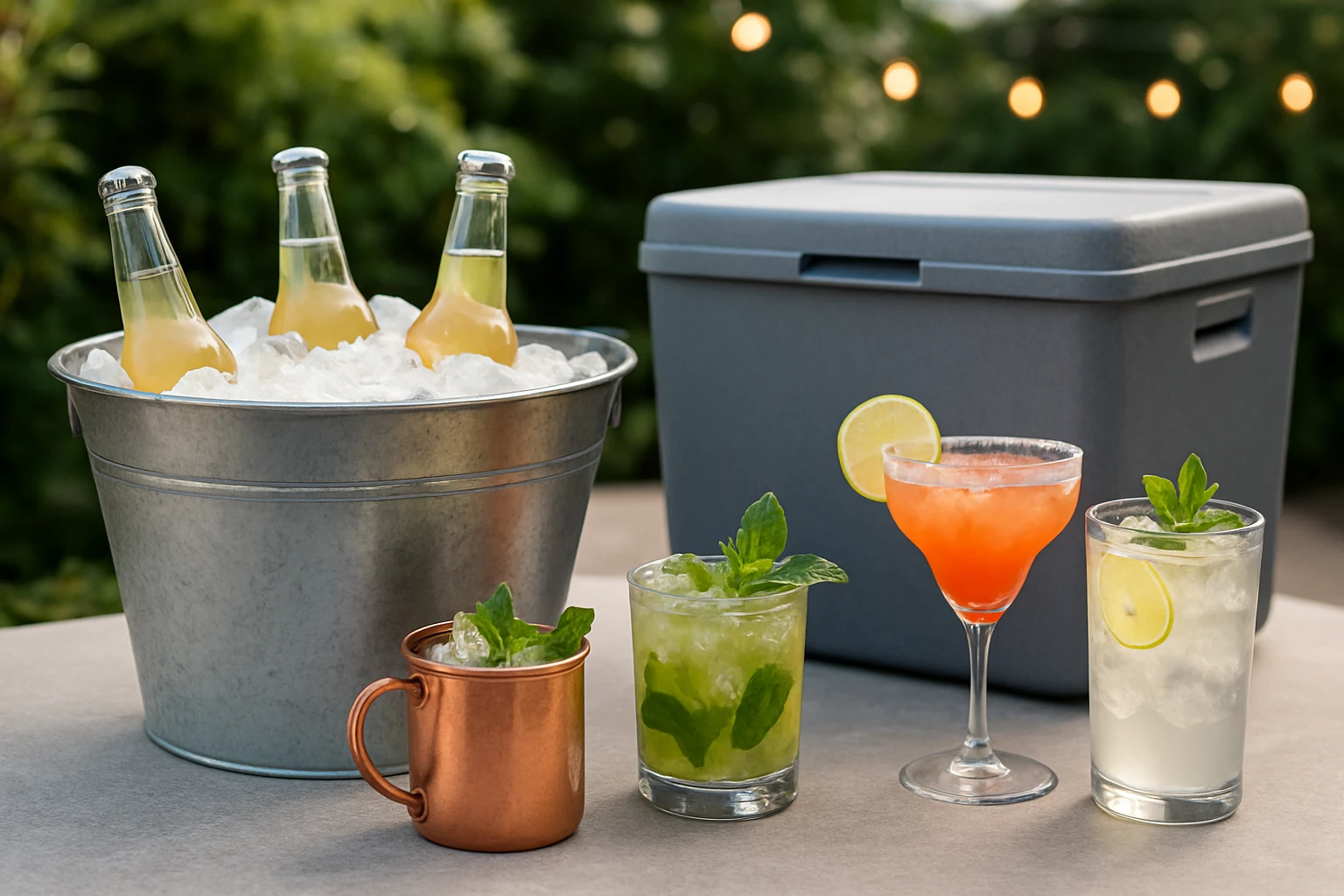
Cold Cocktails Without Electricity – Outdoor Party Guide
Introduction
Entertaining outdoors often presents the challenge of maintaining beverage temperature when electrical resources are unavailable. This guide explains a range of techniques that keep cocktails cold without relying on power sources. Readers will learn about passive cooling principles, insulated containers, ice management strategies, and creative alternatives that enhance any gathering. By the end of the article, one will be equipped to host a memorable event where drinks remain refreshingly chilled throughout the celebration.
Background and Context
Understanding why drinks warm quickly outdoors requires basic knowledge of heat transfer. Conduction transfers heat through direct contact, convection moves warm air across surfaces, and radiation emits heat from warm objects to cooler surroundings. In sunny conditions, radiant heat dominates, while breezy evenings rely more on convection. Effective cooling methods therefore aim to minimize these mechanisms, either by creating barriers or by absorbing heat through phase change, such as melting ice.
Phase‑change cooling exploits the latent heat of fusion; ice absorbs a substantial amount of energy as it melts, keeping surrounding liquids near 0 °C. Insulation slows heat flow, extending the period during which ice remains solid. By combining insulated vessels with strategic ice placement, one can achieve hours of cooling without any electrical input.
Historically, portable ice houses, reflective blankets, and double‑walled containers have been employed at picnics and festivals. Modern materials such as stainless steel, high‑density foam, and vacuum‑sealed walls improve performance while maintaining aesthetic appeal. The principles remain unchanged: keep ice away from warm air, reduce direct contact with heat, and protect the beverage container from sunlight.
Passive Cooling Techniques
Passive cooling relies on materials and placement rather than active refrigeration. The first strategy involves selecting shaded locations for beverage stations. Natural shade from trees, umbrellas, or pop‑up canopies blocks solar radiation, dramatically reducing heat gain. Positioning the cooler on a reflective surface, such as a white tarp, further deflects sunlight.
Second, pre‑chill all glassware and serving tools before the event. Cold glasses retain lower temperatures for longer periods, delaying warming of the cocktail itself. Third, use dry ice sparingly; while extremely cold, dry ice sublimates quickly and can over‑cool drinks, altering flavor profiles. When used, it should be isolated in a well‑ventilated container away from direct contact with the beverage.
Fourth, incorporate ice‑filled water bladders or frozen bottles as thermal mass. These items release cold gradually, stabilising temperature without the mess of melting ice. Finally, employ reflective or insulated blankets around the beverage area to create a micro‑climate that mimics a cooler environment.
Active Cooling Without Power
Active cooling without electricity involves mechanical methods that still require human effort. One common technique is the use of a hand‑cranked ice crusher to produce smaller ice shards, which increase surface area and accelerate heat absorption. Another method is the traditional “ice bucket rotation” where a bucket of ice is periodically stirred to distribute cold evenly.
For larger gatherings, a portable evaporative cooler can be employed. These devices use water evaporation to lower ambient temperature, especially effective in low‑humidity environments. Though they require water, they do not depend on electrical power if powered by manual pumps.
When selecting tools for active cooling, consider durability, ease of use, and cleaning requirements. The Gusto Nostro Ice Bucket exemplifies a high‑quality insulated container that supports active cooling strategies. Its double‑wall stainless steel construction retains cold for extended periods, while the wooden lid prevents spills during rotation. The included tongs facilitate safe ice handling, and the smooth interior surface simplifies cleaning after use.
Insulated Containers and Ice Management
Insulated containers are the cornerstone of any electricity‑free cooling plan. The ideal bucket combines double‑wall insulation, a tight‑fitting lid, and a material that does not conduct heat rapidly. Stainless steel offers durability and a sleek appearance that complements modern outdoor décor.
The Gusto Nostro Ice Bucket measures 10.2 inches in diameter and 4.72 inches in height, providing ample capacity for ice and multiple bottles. Its BPA‑free construction ensures safety for food contact, and the wooden lid features an engraved slot that secures the included tongs, reducing clutter and preventing loss. With a rating of 4.6 out of 5 stars from 228 reviews, the product demonstrates consistent customer satisfaction.
Effective ice management includes layering ice and beverages, using crushed ice for rapid cooling, and adding frozen fruit or herbs for flavor without diluting the drink. To maximise efficiency, fill the bucket to the recommended level, allowing a small air gap for expansion. Replace melted ice with fresh blocks as needed, and keep the lid closed whenever the bucket is not actively serving drinks.
Maintenance of insulated containers is straightforward. The smooth stainless‑steel interior resists stains, and the removable lid and tongs can be washed with mild detergent. Regular cleaning prevents bacterial growth and preserves the bucket’s aesthetic appeal for future events.
Creative Alternatives for Cooling
Beyond conventional ice buckets, several inventive solutions can supplement cooling efforts. One approach is to use a frozen wine bottle as a chilling core; the bottle can later be poured, providing both chilled wine and a decorative element. Another option is to construct a “cooling trench” by digging a shallow pit, lining it with a waterproof tarp, and filling it with ice and water; beverages placed in sealed containers within the trench remain cold for hours.
For cocktail enthusiasts, a frozen cocktail sphere—made by filling a silicone mold with a mixture of spirits, juice, and ice—serves as a reusable ice cube that does not dilute the drink. Additionally, insulated cooler bags with reflective interiors can be hung from trees, creating a suspended chilling station that remains shaded and accessible.
When employing these alternatives, ensure that all components are food‑grade and that the setup remains stable to avoid spills. Combining multiple methods, such as an insulated bucket with a cooling trench, can provide redundancy and extend cooling duration throughout lengthy outdoor gatherings.
Comparison and Selection Guide
| Feature | Gusto Nostro Ice Bucket | Typical Plastic Cooler | Vacuum‑Sealed Thermos |
|---|---|---|---|
| Insulation Type | Double‑wall stainless steel | Foam core | Vacuum insulated |
| Capacity (L) | 4.1 L | 5–10 L (varies) | 0.5–1 L |
| Lid Material | Wooden with engraved slot | Plastic snap‑on | Stainless steel screw‑top |
| Included Accessories | Tongs, removable lid | None | None |
| Weight (oz) | Approximately 96 oz | Varies, often lighter | 200–300 oz |
| Price (USD) | $44.98 | $30–$70 | $35–$80 |
| Customer Rating | 4.6/5 (228 reviews) | 3.8–4.2/5 | 4.0–4.5/5 |
When selecting a cooling solution, consider the event size, desired aesthetic, and ease of cleaning. The Gusto Nostro Ice Bucket excels in style, durability, and integrated accessories, making it a strong choice for upscale gatherings. Plastic coolers offer larger capacities at lower cost but may lack the refined appearance required for cocktail service. Vacuum‑sealed thermoses provide excellent insulation for individual servings but are unsuitable for bulk ice storage.
Best Practices & Tips
- Pre‑freeze the bucket for at least two hours before the event; this creates a cold base that prolongs ice life.
- Layer ice and beverages rather than stacking all ice at the bottom; this ensures uniform cooling.
- Use crushed ice for rapid chilling and block ice for longer duration; a combination yields optimal results.
- Store the bucket on a reflective surface such as a white canvas to deflect radiant heat.
- Keep the lid closed whenever the bucket is not actively serving drinks to minimise warm air ingress.
- Replace melted ice with fresh blocks every two hours for events lasting longer than four hours.
- Clean the bucket immediately after use with warm, soapy water; avoid abrasive cleaners that could damage the stainless steel finish.
Frequently Asked Questions
- How long will ice stay frozen in an insulated bucket without electricity? In a well‑insulated double‑wall bucket, ice can remain solid for six to eight hours, depending on ambient temperature and the amount of ice used.
- Can I use the Gusto Nostro Ice Bucket for both indoor and outdoor events? Yes; the bucket is designed for versatile use, featuring a wooden lid that protects against spills and a stainless‑steel body that resists rust in outdoor environments.
- Is the wooden lid safe for food contact? The lid is finished with a food‑grade seal, making it safe for direct contact with ice and beverages.
- What is the best way to transport the bucket to a remote location? Place the bucket in a sturdy tote or carry it using the built‑in handles; the bucket’s weight when filled is manageable for one person.
- Can I use the bucket for non‑alcoholic drinks? Absolutely; the bucket is BPA‑free and suitable for any chilled beverage, including juices, mocktails, and soft drinks.
- How do I prevent condensation on the outside of the bucket? The double‑wall construction isolates the interior cold from the exterior, significantly reducing condensation compared with single‑wall containers.
- Is the bucket dishwasher safe? The bucket is recommended for hand washing only; the wooden lid may warp if exposed to high dishwasher temperatures.
Conclusion
Keeping cocktails cold without electricity is achievable through a combination of passive shading, strategic ice management, and high‑quality insulated containers. The Gusto Nostro Ice Bucket provides an elegant, durable solution that integrates seamlessly with these techniques, delivering long‑lasting chill and a refined aesthetic. By applying the best practices outlined in this guide, hosts can ensure that every guest enjoys a perfectly chilled beverage, regardless of power availability.
Products Featured in This Guide
Gusto Nostro Ice Bucket
Price: $44.98
Rating: 4.6 out of 5 stars (228 reviews)
Why featured: This double‑wall insulated stainless‑steel bucket offers superior cold retention, a wooden lid with integrated tongs, and an elegant design that elevates any outdoor cocktail presentation.