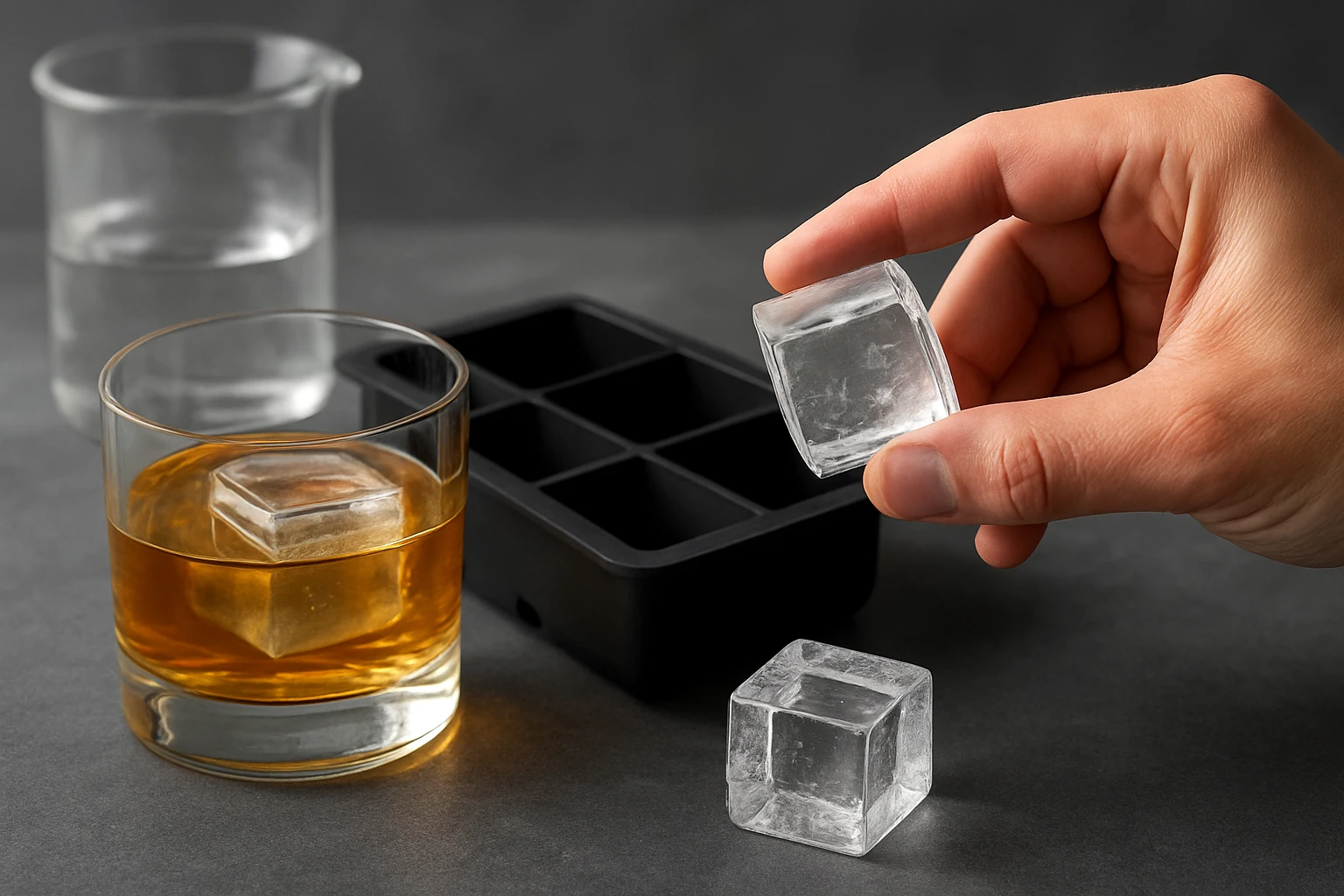
How to Make Crystal Clear Ice for Cocktail Photography: Step‑by‑Step DIY Guide with Pro Tips
Introduction
Creating crystal clear ice is essential for professional‑grade cocktail photography because it eliminates distracting bubbles and cloudiness that can ruin an otherwise perfect image. This guide will teach the reader how to produce flawless ice using simple household techniques, scientific principles, and the recommended WIBIMEN Mini Ice Cube Trays. By following each step, one will achieve ice that looks like glass, enhances the visual appeal of drinks, and saves time during photo shoots.
Clear ice not only improves aesthetics but also affects taste; fewer impurities mean a cleaner flavor profile, which is important when the beverage itself is the subject of the photograph. The methods described are inexpensive, repeatable, and adaptable to any kitchen or studio environment. Whether one is a freelance photographer, a bar owner, or an enthusiastic home mixologist, the techniques will raise the quality of visual content dramatically.
What You’ll Need
- Distilled or boiled water (to reduce mineral content)
- Freezer with a flat, level surface
- Silicone mold or tray – the WIBIMEN Mini Ice Cube Trays are ideal because they produce 0.55„ pebble‑size cubes that fit narrow‑mouth bottles and are easy to release.
- Insulated storage bin (included with the trays) to keep ice from absorbing freezer odors
- Plastic wrap or a silicone lid to prevent freezer smells
- Optional: directional freezer fan or a small cooler for directional freezing
Step 1: Prepare Pure Water
The clarity of ice begins with the water source. Tap water contains dissolved minerals that create cloudiness when frozen. One should either use distilled water or boil tap water for three minutes, then let it cool to room temperature. Boiling drives out dissolved gases, which are a primary cause of bubbles. After cooling, pour the water into a clean container, ensuring no debris or particles remain.
Step 2: Fill the Tray
Place the WIBIMEN Mini Ice Cube Trays on a stable surface. The trays feature a lid that allows water to be poured once, then sealed to level the surface. Fill each compartment just below the rim; overfilling can cause cracking when the ice expands. The silicone material is BPA‑free, odor‑free, and flexible, which facilitates easy twist release without sticking. Each pack includes four trays, a storage bin, and a scoop, providing a complete solution for high‑volume shoots.
Price: $19.99
Rating: 4.3/5.0 (17,778 reviews)
Step 3: Directional Freezing
To achieve maximum clarity, freeze the water from one direction only. Place the filled trays on the coldest part of the freezer, usually the back wall, and cover them with a thin layer of plastic wrap to block odor. If the freezer has a fan, position a small portable fan to circulate cold air across the top of the tray while keeping the bottom insulated. This method forces impurities and air bubbles to migrate upward, where they become trapped in the lid rather than the ice block.
Step 4: Slow Freeze for 24–48 Hours
A slow freeze allows time for trapped gases to escape and for crystals to form uniformly. Set the freezer temperature to –8°C (17°F) if possible; many modern freezers default to –18°C, which freezes too quickly and creates cloudiness. Patience is essential—allow the trays to remain undisturbed for at least 24 hours, preferably 36 to 48 hours for the clearest result.
Step 5: Release the Ice
After the freezing period, let the trays sit at room temperature for 30–60 seconds. This brief warm‑up loosens the silicone’s grip on the ice. Then, grasp the tray and give it a gentle twist; the mini cubes will pop out cleanly into the included storage bin. The twist‑release mechanism is a key advantage of the WIBIMEN Mini Ice Cube Trays, eliminating the need for forceful prying that can crack the ice.
Step 6: Store Properly Until Use
Transfer the clear ice cubes into the provided storage bin, which is designed to keep freezer odors out and maintain shape. Seal the bin with its lid and place it back in the freezer. The bin’s stackable design saves space and ensures that the ice remains isolated from other foods, preserving its crystal clarity for the next photo session.
Tips & Pro Tips
- Use a silicone mat: Placing a thin silicone baking mat underneath the trays prevents direct contact with metal shelves, reducing the chance of uneven freezing.
- Pre‑chill the tray: Cool the empty tray in the freezer for 10 minutes before adding water; this reduces temperature shock and improves ice formation.
- Avoid rapid temperature changes: Sudden exposure to warm air can cause cracks. Keep the tray covered until ready to release.
- Lighting considerations: When photographing, back‑light the ice against a dark surface to highlight its transparency and eliminate reflections.
- Batch production: Fill all four trays at once; the stackable design allows up to 12 mini cubes per layer, providing ample supply for multiple shoots.
Troubleshooting
| Problem | Possible Cause | Solution |
|---|---|---|
| Cloudy ice | Impurities in water or too‑fast freeze | Use distilled water, boil before freezing, and lower freezer temperature. |
| Ice sticks to tray | Silicone not fully flexible or tray too cold | Allow 30‑seconds sit at room temperature before twisting. |
| Irregular shapes | Uneven water level or tray not level | Use the built‑in lid to level water and ensure freezer shelf is flat. |
Conclusion
By following the steps outlined above, one can consistently produce crystal clear ice that elevates cocktail photography to a professional standard. The combination of pure water, directional slow freezing, and the specialized WIBIMEN Mini Ice Cube Trays creates mini pebble ice that is both aesthetically pleasing and functional. Mastery of this technique not only improves visual storytelling but also enhances the drinking experience for clients and audiences alike.
Products Mentioned in This Guide
WIBIMEN Mini Ice Cube Trays
Price: $19.99
Rating: 4.3/5.0 (17,778 reviews)
Features: 0.55" pebble ice, easy twist release, stackable with lid and storage bin, BPA‑free, odor‑free, includes scoop.
Frequently Asked Questions
How can I make crystal clear ice for cocktail photography at home?
Use the directional freezing method: fill a small insulated container with water, freeze it slowly from the top down, then cut out the clear core.
Why does clear ice improve cocktail photography?
Clear ice eliminates bubbles and cloudiness, making the drink look pristine and allowing light to pass through for sharper images.
What equipment is recommended for making clear ice?
A silicone mini ice cube tray like the WIBIMEN Mini Ice Cube Trays and a small insulated cooler or freezer-safe container work best.
How does the directional freezing method work?
It freezes water from one direction, pushing air and impurities to the opposite side, so the frozen portion remains crystal clear.
How should I store clear ice to keep it bubble‑free for shoots?
Keep the ice in a sealed airtight container in the freezer and avoid rapid temperature changes that cause condensation.