
How Much Ice Per Cocktail: How to Calculate the Perfect Amount (Easy Formula & Pro Tips)
Introduction
Understanding the exact quantity of ice required for a cocktail is essential for achieving consistent flavor, temperature, and dilution. One ounce of ice can melt into a quarter ounce of water, altering the balance of spirit, mixer, and garnish. This guide teaches the reader how to calculate the optimal ice volume, apply a simple formula, and use professional techniques to enhance every drink.
Readers will learn why ice matters, how to measure it, and which tools simplify the process. By the end of the article, one will be able to craft cocktails that taste as intended, whether at home, in a bar, or during a large gathering.
What You'll Need
- Measuring cup or kitchen scale
- Clear ice balls or cubes (recommended products below)
- Ice scoop or tongs
- Timer or smartphone
- Mixing glass or shaker
These items are inexpensive, readily available, and improve precision without complicating the workflow.
Step 1: Determine the Desired Dilution Ratio
The first step is to decide how much water should be added to the cocktail through ice melt. Professional bartenders aim for a dilution of 20 % to 30 % of the total drink volume. For a standard 6‑ounce cocktail, this translates to approximately 1.2 – 1.8 ounces of water from melted ice.
Why this range matters: insufficient dilution leaves the drink overly strong, while excess dilution masks the flavors of the spirit and mixers. The chosen ratio will guide the ice volume calculation.
Step 2: Calculate the Ice Volume Using the Simple Formula
Use the following formula to estimate the required ice weight:
Ice Weight (oz) = Desired Dilution (oz) ÷ Melt Factor
The melt factor represents the proportion of ice that turns into water during the typical serving time. For clear, dense ice balls, the melt factor is approximately 0.25 (one ounce of ice yields 0.25 ounces of water). Applying the formula:
- Desired Dilution = 1.5 oz (midpoint of 20 %‑30 % range for a 6‑oz drink)
- Ice Weight = 1.5 ÷ 0.25 = 6 oz of ice
Six ounces of clear ice will provide the ideal dilution for most classic cocktails.
Step 3: Choose the Right Ice Shape for Consistent Melting
Ice shape influences surface area, melt rate, and visual appeal. Clear, large spheres melt more slowly than small cubes, offering greater control over dilution. The following products excel in delivering uniform, slow‑melting ice:
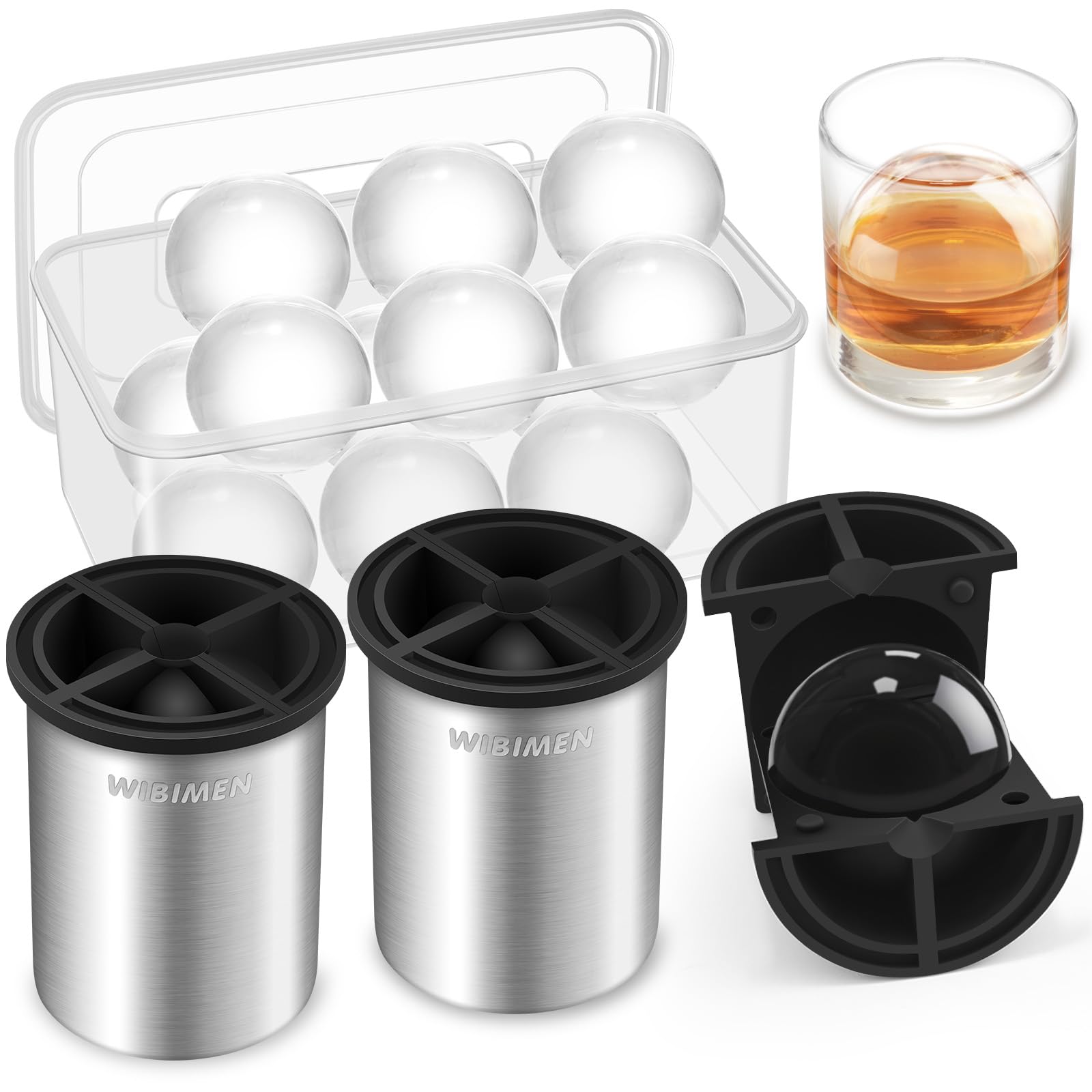
- WIBIMEN Clear Ice Ball Maker – Two 2.5‑inch stainless‑steel molds, silicone Y‑shaped release, compact vacuum design; $34.99, 4.4‑star rating (487 reviews).
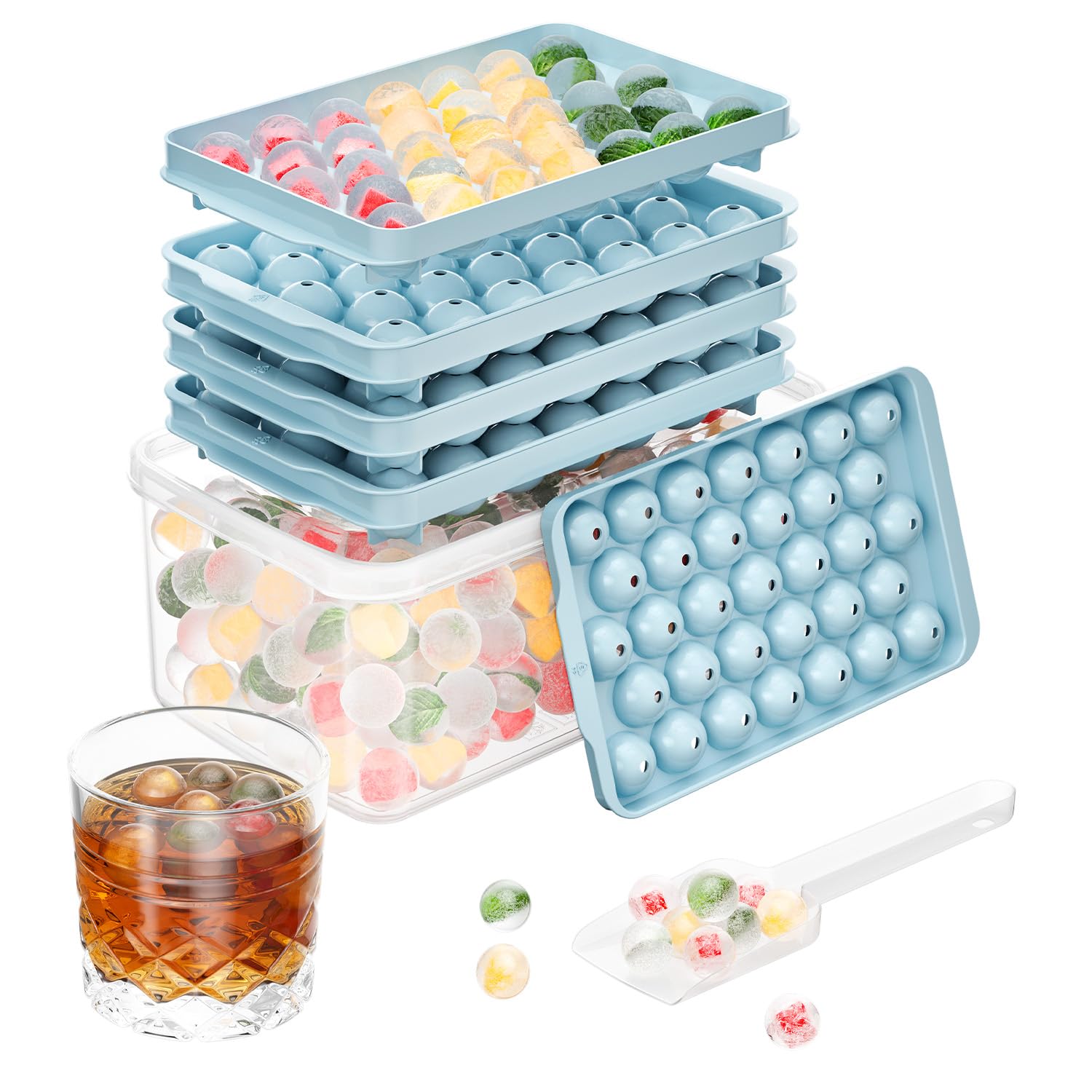
- Optish Round Ice Cube Trays – 99 pcs of 0.8‑inch round cubes per pack, stackable, food‑grade PP; $12.99, 4.4‑star rating (5,212 reviews).
- Rottay Sphere & Square Ice Mold Set – 6 sphere and 6 square molds, premium silicone; $14.99, 4.5‑star rating (7,102 reviews).
- True Cubes Crystal Clear Ice Maker – Four 2" × 2" × 2" cubes, BPA‑free silicone; CAD61.50, 4.4‑star rating (4,388 reviews).
For the calculation above, using the WIBIMEN Clear Ice Ball Maker yields the most predictable melt rate because the 2.5‑inch spheres have a low surface‑to‑volume ratio.
Step 4: Measure the Ice Accurately
Place the freshly formed ice balls or cubes into a kitchen scale set to ounces. Record the total weight; it should match the value derived in Step 2 (e.g., 6 oz). If the weight is lower, add additional spheres until the target is reached. If the weight exceeds the target, remove excess pieces with ice tongs.
Using a scale eliminates guesswork and ensures each cocktail receives the same dilution, crucial for batch service or tasting events.
Step 5: Incorporate Ice Into the Mixing Process
When shaking or stirring, add the measured ice to the mixing glass or shaker. The kinetic energy from shaking accelerates melt, while stirring provides a gentler dilution. For spirit‑forward drinks such as an Old Fashioned, stir with a large ice sphere to achieve a silky texture and controlled dilution.
After mixing, strain the cocktail into a chilled glass, and optionally garnish with a fresh citrus peel. The clear ice will remain partially intact, offering visual elegance and a slower dilution curve as the drink is consumed.
Tips & Pro Tips
- Pre‑chill glasses and tools. Cold surfaces reduce the initial melt rate, preserving the intended dilution.
- Use filtered water. Impurities cause cloudiness and affect taste; clear ice made from filtered water tastes cleaner.
- Rotate ice molds weekly. This prevents odor absorption and ensures consistent clarity.
- Adjust the melt factor. If you prefer a slightly stronger cocktail, use a melt factor of 0.20; for a lighter drink, use 0.30.
- Batch preparation. For large parties, calculate total ice needed (e.g., 30 drinks × 6 oz = 180 oz) and freeze in advance using multiple molds.
Troubleshooting
| Problem | Possible Cause | Solution |
|---|---|---|
| Ice melts too quickly | Using small cubes or cloudy ice with air pockets | Switch to larger clear spheres from the WIBIMEN or True Cubes molds. |
| Ice sticks to the mold | Silicone not fully flexed or water too cold | Twist gently and use the Y‑shaped release on the WIBIMEN molds; run warm water over the exterior for 5 seconds. |
| Inconsistent dilution between drinks | Variable ice weight or temperature | Weigh each portion of ice and keep the freezer at a stable –18 °C (0 °F). |
Conclusion
Calculating the perfect amount of ice per cocktail involves understanding dilution ratios, applying a straightforward formula, and selecting ice that melts predictably. By measuring ice weight, using high‑quality clear ice tools such as the WIBIMEN Clear Ice Ball Maker, and following the pro tips outlined, one can consistently produce balanced, refreshing drinks.
Whether preparing a single Manhattan or serving a hundred guests, the principles remain the same: precise measurement, controlled melt, and thoughtful presentation. Master these steps, and every cocktail will taste as the creator intended.
Products Mentioned in This Guide
Frequently Asked Questions
How much ice should I use for a standard 2‑oz cocktail?
Aim for about 1 oz (28 g) of ice, which typically yields a 20‑25% dilution after shaking.
What is the simple formula to calculate ice needed for any drink size?
Multiply the total liquid volume by 0.5–0.6; the result in ounces is the approximate ice weight required.
Why does the type of ice (cubes vs. balls) affect dilution?
Smaller cubes melt faster, increasing dilution, while larger balls melt slower, preserving flavor longer.
Do I need special tools to measure ice accurately?
A kitchen scale or measuring cup works well; an ice scoop ensures consistent portions.
How can I control dilution when shaking a cocktail?
Shake for 10–12 seconds and use the calculated ice amount; timing and ice size are the key variables.