How Small Event Hosts Should Serve Ice: Complete Health Code Guide
Introduction
Serving ice may appear trivial, yet it is a critical component of beverage service that directly influences guest safety and satisfaction. This guide equips small‑event hosts with the knowledge required to comply with health‑code regulations, select appropriate equipment, and execute hygienic ice‑serving practices. Readers will learn foundational concepts, compare essential tools, and receive actionable tips that protect public health while enhancing the overall event experience.
Background and Context
Public‑health agencies define ice as a potential vector for bacterial contamination because it can absorb pathogens from surfaces, hands, and the environment. The United States Food and Drug Administration (FDA) classifies ice as a food‑contact article, mandating that it be produced, stored, and served under strict sanitary conditions. Local health departments often require that ice be stored at 0 °F (‑18 °C) or lower, that it be kept in a sealed container, and that serving utensils be dedicated solely to ice.
Small‑event hosts—whether organizing a backyard wedding, a corporate cocktail hour, or a community fundraiser—must balance limited resources with these regulatory demands. Understanding the science of ice preservation, the role of insulated containers, and the importance of dedicated scoops forms the foundation for a compliant service plan.
Understanding Ice Safety Regulations
Regulations fall into three primary categories: production, storage, and service.
- Production: Ice must be made from potable water and frozen in a clean, sanitized environment. Commercial ice machines are preferred, but for small events, purchasing pre‑packaged, FDA‑approved ice from a reputable supplier satisfies the requirement.
- Storage: Ice should remain at or below 0 °F (‑18 °C) until use. Insulated containers with tight‑fitting lids prevent temperature rise and protect against airborne contaminants.
- Service: Dedicated scoops and tongs must be used. The scoop should be made of a non‑porous material that can be thoroughly cleaned, such as clear polycarbonate.
Failure to adhere to these standards can result in fines, event shutdowns, or, more seriously, food‑borne illness outbreaks.
Choosing the Right Ice Storage Solution
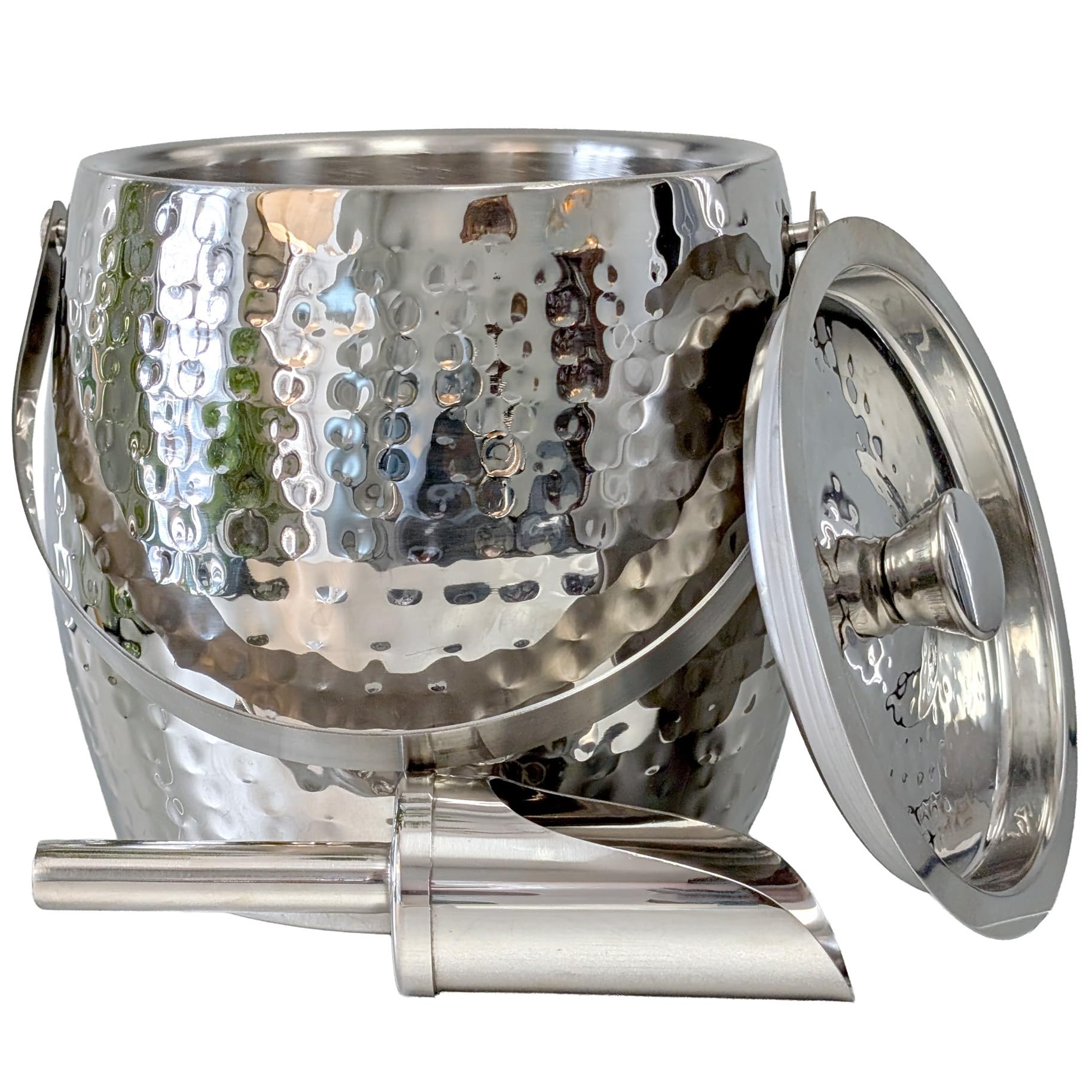
When selecting a storage vessel, hosts should prioritize insulation, capacity, and ease of handling. The BREKX Ice Bucket exemplifies a versatile, insulated option. Constructed from 0.7 mm heavy‑duty stainless steel, it offers a 3‑quart capacity—sufficient for a modest gathering of 30‑40 guests. Its leak‑proof design, hammered lid, and brushed‑steel swing handle facilitate transport and minimize spillage.
Key specifications of the BREKX Ice Bucket include:
- Material: Heavy‑duty stainless steel (0.7 mm)
- Dimensions: 7.7 in. diameter × 7 in. height
- Capacity: 3 qt (¾ gallon)
- Rating: 4.7/5 from 328 reviews
- Price: $41.99
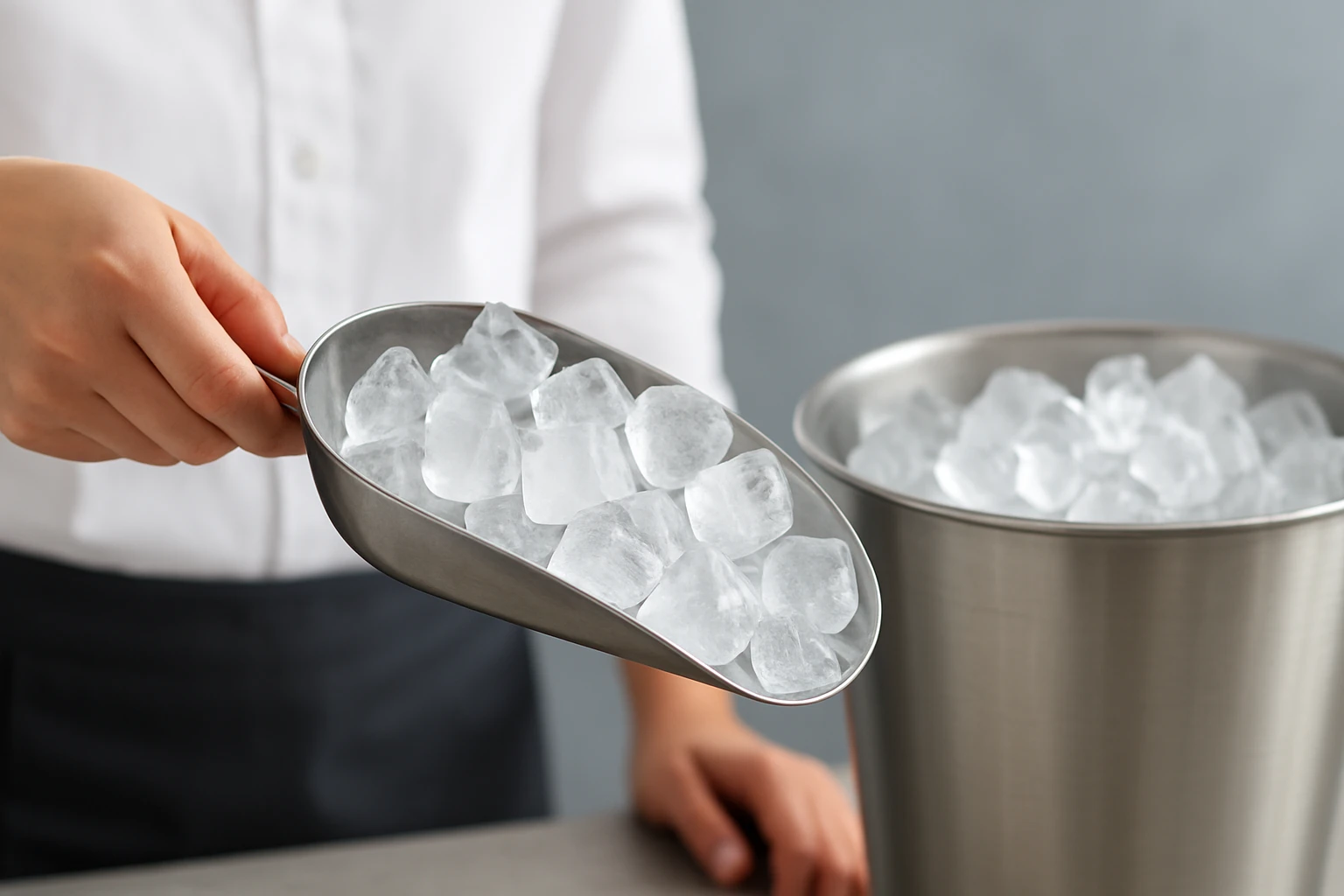
For events that require frequent ice retrieval, a dedicated scoop is essential. The Rubbermaid Ice Scoop provides a clear, dishwasher‑safe polycarbonate scoop capable of holding up to 6 ounces of ice per use. Its smooth surface resists oil and grease buildup, and it meets NSF standards for food safety.
- Material: Clear polycarbonate
- Capacity: 6 oz per scoop
- Temperature tolerance: Up to 500 °F (260 °C)
- Rating: 4.7/5 from 5,108 reviews
- Price: $6.42
Both products complement each other: the insulated bucket preserves ice temperature while the scoop ensures hygienic, precise portioning.
Serving Ice Efficiently at Small Events
Effective ice service hinges on three operational steps: preparation, distribution, and replenishment.
Preparation
Before guests arrive, fill the BREKX Ice Bucket with pre‑packaged ice and seal the lid. Position the bucket on a stable surface away from direct sunlight. Place the Rubbermaid Ice Scoop inside the bucket, ensuring the handle is easily reachable.
Distribution
Assign a dedicated staff member or volunteer to manage ice service. The server should wash hands, don disposable gloves, and use only the designated scoop. Each time a guest requests ice, the server should scoop no more than 6 ounces, place it into a clean glass, and immediately return the scoop to the bucket.
Replenishment
Monitor ice levels every 15 minutes. If the bucket’s ice begins to melt, replace the contents with fresh ice and allow the bucket to re‑cool for at least 10 minutes before reopening service. This practice maintains the required temperature threshold and reduces the risk of bacterial growth.
Maintaining Hygiene and Preventing Contamination
Hygiene protocols are non‑negotiable. Follow these steps rigorously:
- Sanitize the bucket: Prior to each event, wash the interior with a food‑grade sanitizer, rinse with hot water, and dry thoroughly.
- Clean the scoop: After each use, rinse the Rubbermaid Ice Scoop under hot running water, then place it in a dishwasher on a high‑temperature cycle.
- Separate ice from other foods: Store the bucket on a dedicated ice station, away from raw foods, meats, or unwashed produce.
- Use single‑use gloves: Change gloves if they become soiled or after handling other items.
Documenting these procedures in a simple checklist can demonstrate compliance during health‑department inspections.
Comparison and Selection Guide
| Feature | BREKX Ice Bucket | Rubbermaid Ice Scoop |
|---|---|---|
| Primary Function | Insulated ice storage | Ice portioning |
| Material | 0.7 mm stainless steel | Clear polycarbonate |
| Capacity | 3 qt (≈ 24 cups) | 6 oz per scoop |
| Temperature Control | Insulated, leak‑proof lid | Resistant to high temperatures, but not a storage device |
| Cleaning Method | Hand wash with sanitizer | Dishwasher safe |
| Price | $41.99 | $6.42 |
| Customer Rating | 4.7/5 (328 reviews) | 4.7/5 (5,108 reviews) |
| Best For | Events requiring up to 3 qt of ice, portable service | Precise scooping, commercial‑kitchen style service |
Hosts who anticipate a higher ice demand should prioritize the bucket’s capacity, while those focused on precision and rapid turnover may find the scoop’s ease of cleaning more valuable. In most small‑event scenarios, employing both items yields the most compliant and efficient solution.
Best Practices & Tips
- Pre‑freeze glassware: chilling glasses for 5 minutes reduces the amount of ice needed to keep drinks cold.
- Label ice containers: clearly mark “Ice – Do Not Touch Food” to avoid cross‑contamination.
- Rotate ice: use a “first‑in, first‑out” system so older ice is served before newer batches.
- Monitor temperature: a portable digital thermometer can verify that the bucket remains at or below 0 °F.
- Educate staff: conduct a brief training session on hand hygiene, glove use, and proper scoop handling before the event begins.
Frequently Asked Questions
1. Can I reuse ice from a previous event?
No. Reused ice may have been exposed to contaminants. Always start with fresh, FDA‑approved ice for each event.
2. Is it acceptable to use a regular kitchen bucket for ice?
Only if the bucket is insulated, has a tight‑fitting lid, and is made of a non‑porous material that can be sanitized. The BREKX Ice Bucket meets these criteria.
3. How often should I clean the scoop?
The scoop should be rinsed after every use and placed in a dishwasher at the end of the service period. This prevents bacterial buildup.
4. What temperature should ice be stored at?
Ice must be stored at 0 °F (‑18 °C) or lower. Insulated containers help maintain this temperature for longer periods.
5. Do I need a separate ice station for alcoholic and non‑alcoholic drinks?
While not always required, separating stations reduces the risk of cross‑contamination and simplifies inventory management.
6. Are there any legal penalties for non‑compliance?
Yes. Local health departments can issue fines, suspend service permits, or mandate event closure if ice handling violations are observed.
Conclusion
Ice service is a seemingly simple task that carries significant health‑code responsibilities. By understanding regulatory requirements, selecting appropriate equipment such as the BREKX Ice Bucket and Rubbermaid Ice Scoop, and following strict hygiene protocols, small‑event hosts can deliver refreshing beverages safely and professionally. Implement the outlined best practices, maintain diligent records, and enjoy the confidence that comes from a compliant, well‑executed ice‑service plan.
Products Featured in This Guide

BREKX Ice Bucket
Price: $41.99
Rating: 4.7/5 (328 reviews)
Featured because it provides insulated, leak‑proof storage for up to 3 qt of ice, meeting temperature‑control and hygiene standards essential for small events.

Rubbermaid Ice Scoop
Price: $6.42
Rating: 4.7/5 (5,108 reviews)
Featured because its clear polycarbonate construction, NSF certification, and dishwasher‑safe design ensure safe, efficient ice portioning in compliance with health‑code requirements.
