Introduction
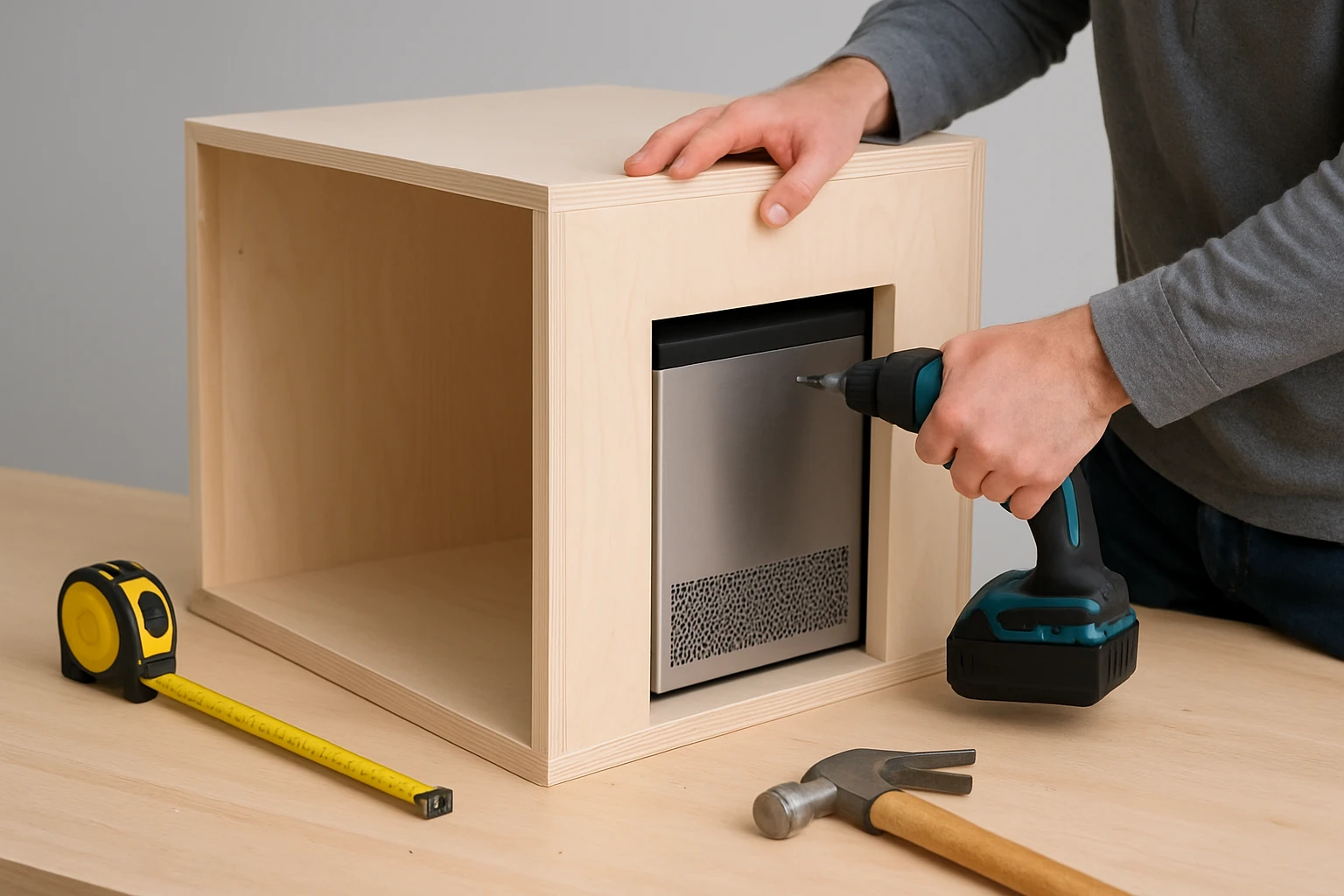
In this guide one will discover how to design and assemble an enclosure for an ice maker that reduces operational noise while maintaining optimal airflow. A well‑ventilated enclosure prevents heat buildup, improves efficiency, and extends the lifespan of the appliance. The instructions combine basic carpentry techniques with strategic placement of ventilation fans. By following each step the reader will achieve a professional‑grade solution without requiring specialized expertise.
What You’ll Need
- Wooden studs or metal framing components for the enclosure walls
- Insulation panels (foam or mineral wool) to dampen sound
- Sealing tape and silicone caulk for airtight joints
- Power drill, screwdriver set, and measuring tape
- Safety glasses and ear protection
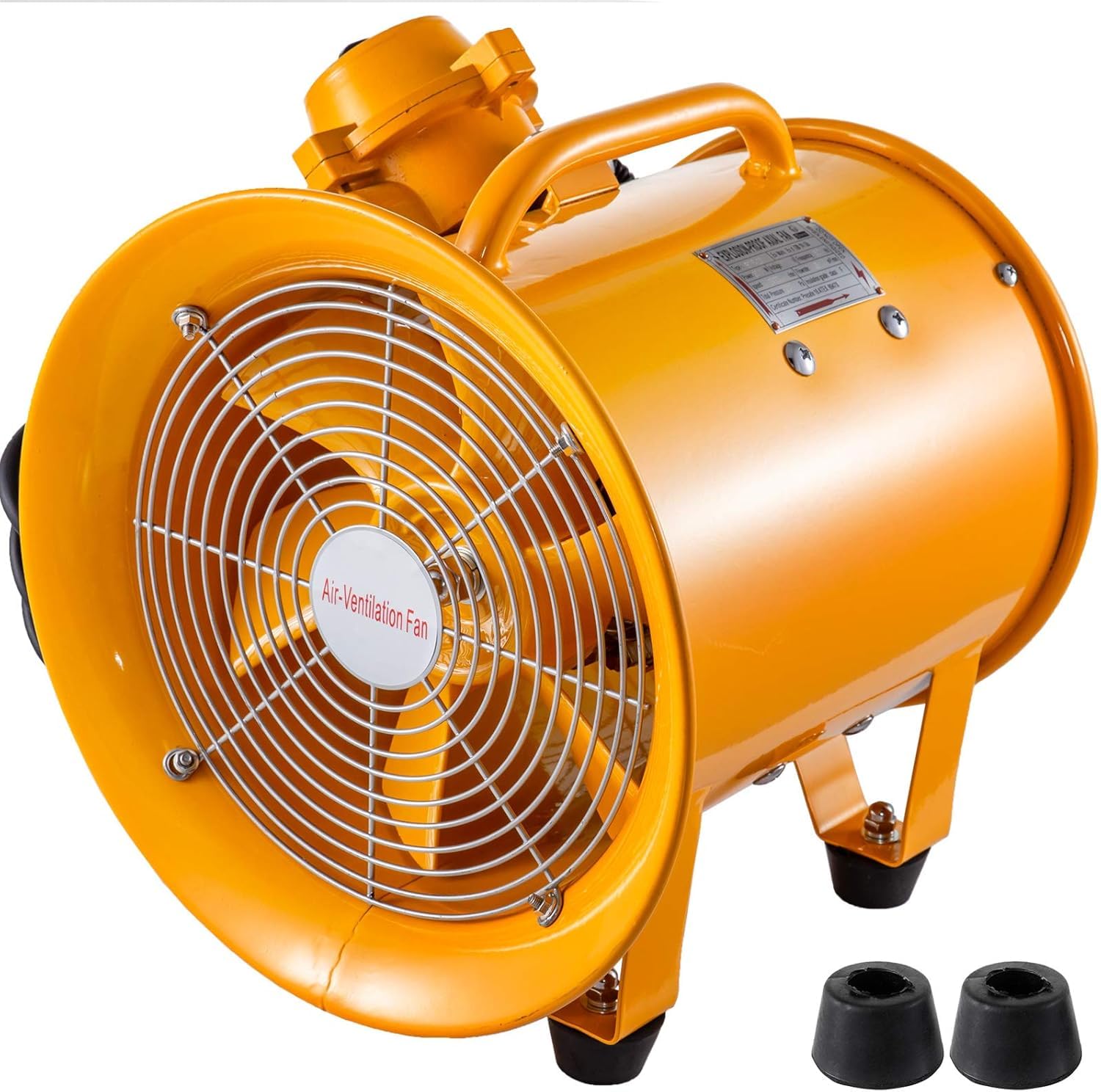
- VEVOR Explosion Proof Fan – heavy‑duty exhaust fan
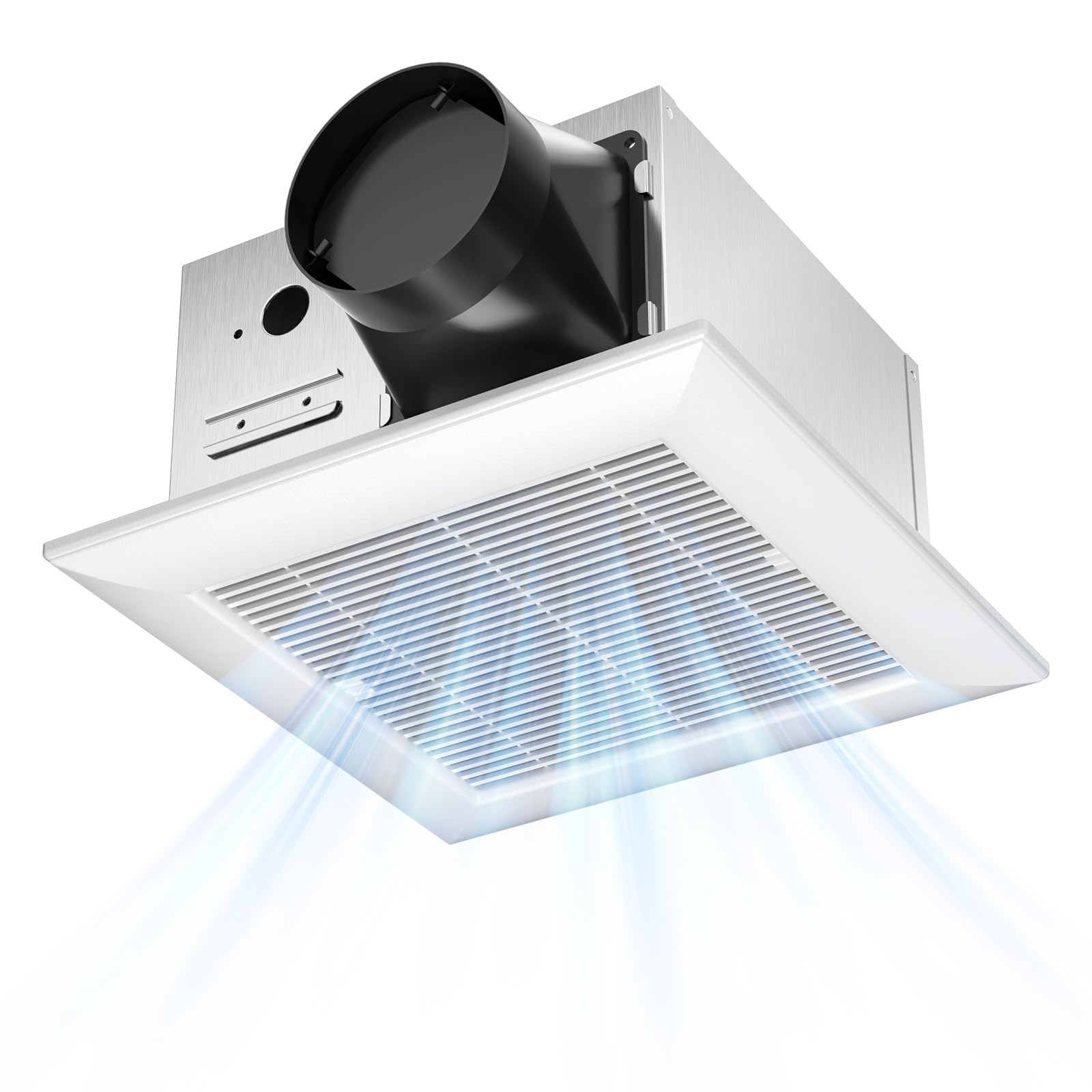
- Amico Quiet Bathroom Exhaust Fan – low‑noise secondary fan
Step 1: Plan Dimensions and Ventilation Requirements
The first task is to measure the ice maker and determine the clearance needed for service access and airflow. One should allocate at least six inches of space on every side to allow air to circulate freely. Calculate the required airflow by multiplying the ice maker’s heat output (in BTU) by a factor of 1.5; this yields the cubic feet per minute (CFM) needed for adequate cooling. Document the dimensions in a sketch and note where the fans will be mounted.
Step 2: Build the Frame and Wall Panels
Using 2x4 lumber or comparable metal studs construct a rectangular frame that matches the planned dimensions. Secure the studs with wood screws or metal brackets, ensuring the frame remains square by checking diagonal measurements. Attach plywood or insulated panels to the exterior of the frame; these panels serve both structural and acoustic functions. Apply acoustic sealant along all interior seams to prevent air leakage that could increase noise levels.
Step 3: Install the Primary Exhaust Fan
Mount the VEVOR Explosion Proof Fan on the upper rear wall of the enclosure where hot air naturally rises. This fan features a 550W motor delivering 3450 RPM, providing the high CFM needed to expel warm air quickly. Its explosion‑proof design adds an extra safety margin in environments where moisture or electrical sparks may be present. The fan costs $200.98 and carries a 4.4‑star rating from 234 reviews, indicating reliable performance in industrial settings. Secure the fan with the supplied mounting brackets, connect it to a dedicated circuit, and route the power cord through a sealed conduit.
Step 4: Install the Secondary Quiet Fan
To address the noise generated by the primary fan, install the Amico Quiet Bathroom Exhaust Fan on a lower side wall or near the ice maker’s intake. This fan moves 110 CFM at only 1.0 sones, delivering whisper‑quiet operation while still providing supplemental airflow. It is priced at $59.98 and has a 4.3‑star rating from 93 reviews, demonstrating satisfaction among residential users. The fan’s compact housing (9 × 9 × 5.7 inches) fits easily into a 9.4 × 9.4 inches ceiling opening, and the included brackets simplify mounting. Connect the fan to the same power source as the primary fan, using a separate switch to allow independent control.
Step 5: Seal, Insulate, and Finish
After the fans are mounted, apply acoustic insulation to the interior walls to further reduce vibration transmission. Use silicone caulk around the fan housings and any cable penetrations to create an airtight seal. Install a removable front panel with a magnetic latch for easy access to the ice maker for maintenance. Finally, paint the exterior with a moisture‑resistant coating to protect the enclosure from humidity.
Step 6: Test Airflow and Noise Levels
Power on both fans and use a handheld anemometer to verify that the combined airflow meets or exceeds the calculated CFM requirement. Measure the noise level with a decibel meter positioned one meter from the enclosure; the target should be below 45 dB for a comfortable kitchen environment. Adjust fan speeds or add additional sealing if the readings exceed the desired thresholds. Document the final performance metrics for future reference.
Tips & Pro Tips
- When drilling holes for cables, use a step drill bit to avoid cracking the insulation panels.
- Apply a thin layer of acoustic foam behind the primary fan to dampen motor vibrations.
- Consider installing a thermostat‑controlled fan speed controller to reduce fan operation when the ice maker is idle.
- Regularly clean the fan blades and intake grills to maintain optimal airflow.
Troubleshooting
Problem: Excessive noise persists despite the quiet fan.
Solution: Check that the primary fan is securely mounted and that all vibration isolators are in place. Replace any loose screws and add rubber grommets if necessary.
Problem: Ice maker overheats and shuts down.
Solution: Verify that the combined CFM meets the calculated requirement. If airflow is insufficient, consider adding a second VEVOR fan or increasing the size of the intake vent.
Conclusion
By following this step‑by‑step guide one can construct a durable, quiet, and well‑ventilated enclosure for an ice maker. The combination of a high‑performance VEVOR Explosion Proof Fan and a low‑noise Amico Quiet Bathroom Exhaust Fan ensures both efficient cooling and acoustic comfort. Proper sealing, insulation, and testing complete the process, delivering a professional result that enhances the appliance’s reliability.
Products Mentioned in This Guide


Frequently Asked Questions
How do I reduce noise in an ice maker enclosure?
Use insulation panels, seal gaps with tape and silicone, and install a low‑noise exhaust fan to absorb sound vibrations.
What size vents are needed for proper airflow?
Vent openings should be at least 10% of the enclosure’s total surface area, placed near the top and bottom for natural convection.
Can I use metal framing instead of wood?
Yes, metal studs provide sturdy support and can be combined with sound‑dampening insulation for similar noise reduction.
How many fans should I install for optimal ventilation?
A primary heavy‑duty fan plus a secondary quiet fan ensures adequate airflow while keeping acoustic levels low.
What safety gear is required during construction?
Wear safety glasses and ear protection to guard against debris and noise while drilling and assembling the enclosure.