
How to Plan Ice Production for a Cocktail Party Timeline: A Step‑by‑Step Guide
Introduction
One of the most overlooked elements of a successful cocktail party is the availability of high‑quality ice. Properly sized, clear, and well‑timed ice enhances the flavor of drinks, maintains temperature, and conveys professionalism. This guide will teach the reader how to calculate ice demand, create a production schedule, and execute the plan with confidence. By following the steps, one will avoid last‑minute shortages, reduce waste, and impress guests with perfectly chilled cocktails.
What You’ll Need
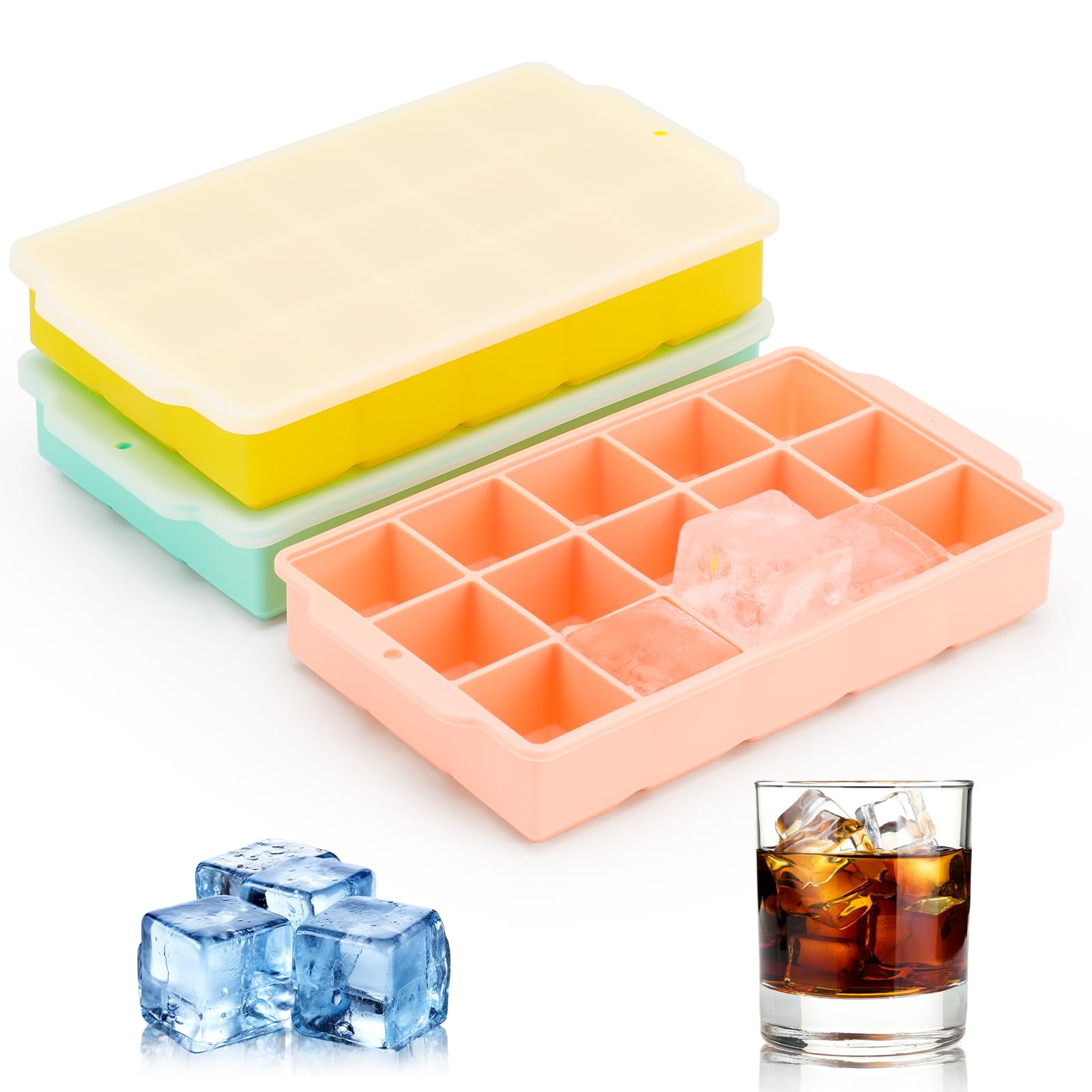
- Reespring Silicone Ice Cube Trays – 3‑pack, $12.95, 4.4/5 stars (287 reviews)
- Sterilite Stackable Ice Trays – 3‑pack, $15.99, 4.7/5 stars (441 reviews)
- Large freezer with at least 24‑hour capacity
- Measuring cup or digital scale for ice volume
- Clean water source (filtered is preferred)
- Timer or smartphone alarm
Step 1 – Estimate Ice Quantity
The first major step is to determine how many ounces of ice each cocktail will require. A standard mixed drink uses approximately 4‑6 ounces of ice, while a spirit‑forward cocktail may need only 2‑3 ounces. Multiply the average ounces per drink by the expected number of guests and the number of drinks each guest is likely to consume. For example, a party of 30 guests with an average of three drinks each and 5 ounces per drink results in 30 × 3 × 5 = 450 ounces of ice, which equals roughly 13.5 kg (30 lb).
Having a precise estimate prevents over‑freezing, which can waste freezer space, and under‑freezing, which can lead to a shortage during service. It also informs the selection of tray size and the number of production cycles required. The following steps will translate this volume into concrete tray counts.
Step 2 – Choose the Appropriate Ice Tray
Two tray options are available, each with distinct advantages. The Reespring Silicone Ice Cube Trays produce 15 large cubes per tray, each approximately 25 % larger than standard cubes, reducing the number of cubes needed per drink. Their "Easy Release" design, sealed anti‑spill lid, and BPA‑free M1 silicone ensure safe handling and minimal mess, which is valuable for high‑volume production.
In contrast, the Sterilite Stackable Ice Trays create 16 smaller cubes per tray and can be stacked vertically, maximizing freezer space. Their BPA‑free construction and dishwasher‑safe material simplify cleaning between batches. Selecting a tray depends on the cocktail style: larger cubes are ideal for slow‑melt drinks such as Old Fashioneds, while smaller cubes work well for fast‑served highball drinks.
Step 3 – Calculate Tray Count and Production Rounds
Using the Reespring trays as an example, each tray yields 15 cubes. Assuming each large cube replaces two standard cubes, the 450‑ounce requirement translates to roughly 225 standard cubes, or 113 large cubes. Dividing 113 by 15 results in eight full trays plus a partial tray. Because the product is sold in a 3‑pack, one would need three sets (nine trays) to cover the demand, providing a small buffer for breakage.
If the Sterilide trays are preferred, each tray provides 16 cubes. The same 225‑cube requirement would need 15 trays. The stackable design allows these trays to occupy less vertical space, making them suitable for freezers with limited shelf height. Planning the number of rounds involves dividing total trays by the freezer’s capacity; a typical home freezer can accommodate four to five trays per cycle.
Step 4 – Prepare Water and Fill Trays
Water quality directly influences ice clarity and taste. Filtered or distilled water removes minerals that cause cloudiness, resulting in crystal‑clear cubes that look professional in cocktails. Fill each tray to the indicated line, ensuring the silicone gasket of the Reespring trays remains sealed to prevent spills. The Sterilite trays feature a snap‑lock lid that also guards against leakage.
After filling, level the trays gently with a flat utensil to avoid air pockets, which can create weak spots in the ice. This attention to detail reduces the likelihood of cracked cubes during removal, a common issue when using low‑grade silicone or plastic trays.
Step 5 – Freeze and Schedule Production Cycles
Place the trays in the coldest part of the freezer, typically the back shelf, and set a timer for 6‑8 hours. For a party starting at 7 p.m., begin the first freeze at 10 a.m. to allow for three production cycles: 10 a.m.–4 p.m., 4 p.m.–10 p.m., and a final quick freeze from 10 p.m.–midnight for any last‑minute demand. This staggered approach ensures a steady supply of ice without overloading the freezer.
During the waiting periods, clean the trays with warm, soapy water, then rinse thoroughly. The Reespring trays are dishwasher‑safe, but hand‑washing preserves the silicone’s longevity. The Sterilite trays are also dishwasher‑safe, which speeds up turnaround between cycles.
Step 6 – Remove and Store Ice Properly
When the ice is fully frozen, use the "pop‑out" feature of the Reespring trays to release cubes with minimal force. The specially angled internal mold reduces the need for twisting, preventing cracks. For the Sterilite trays, gently flex the tray to loosen cubes, then invert onto a clean surface.
Transfer the cubes to a insulated cooler or a dedicated ice bin lined with a clean towel. Keeping ice insulated slows melt rate, preserving volume for the duration of the event. Avoid leaving ice in the freezer for extended periods after removal, as temperature fluctuations can cause condensation and affect taste.
Step 7 – Serve and Monitor Ice Levels
During the cocktail service, assign a staff member to monitor ice levels in the serving stations. Replenish from the cooler in batches of 10‑15 cubes to maintain a consistent visual presentation. If a particular cocktail requires larger cubes, prioritize the Reespring ice; for high‑volume drinks, use the Sterilite cubes to keep service swift.
Continuously checking the cooler prevents unexpected depletion, which can disrupt the flow of the party and diminish guest satisfaction. A small buffer of extra ice, equivalent to 10 % of the total estimate, is advisable for unforeseen demand.
Tips & Pro Tips
- Use filtered water and a brief boil‑and‑cool cycle to eliminate dissolved gases, resulting in clearer ice.
- Label each tray set with the production time to avoid confusion during multiple cycles.
- Place a thin silicone mat under the trays to protect freezer shelves from spills.
- Consider adding a splash of fruit juice to a portion of the water for flavored ice cubes that complement specific cocktails.
- For events larger than 50 guests, invest in a dedicated ice maker to supplement tray‑based production.
Troubleshooting
Problem: Ice cubes are cloudy or have cracks.
Solution: Use filtered or distilled water, ensure the freezer temperature remains at or below 0 °F, and avoid rapid temperature changes. The high‑grade M1 silicone of the Reespring trays resists warping, which can otherwise cause uneven freezing.
Problem: Trays leak during freezing.
Solution: Verify that the snap‑lock lid of the Sterilite trays is fully engaged, and confirm the double‑layer gasket on the Reespring trays is sealed. Overfilling can also force water past the seal.
Conclusion
Effective ice production for a cocktail party requires careful estimation, appropriate tool selection, and a disciplined freezing schedule. By following the outlined steps, one can ensure a reliable supply of clear, appropriately sized ice that enhances every drink served. The recommended Reespring Silicone Ice Cube Trays and Sterilite Stackable Ice Trays provide reliable performance, safety, and convenience, making them valuable assets for both home hosts and professional bartenders. One should now feel equipped to plan, execute, and troubleshoot ice production for any cocktail gathering.
Products Mentioned in This Guide
Frequently Asked Questions
How do I calculate the amount of ice needed for a cocktail party?
Estimate 1–1.5 pounds of ice per guest per hour, then multiply by the event duration and number of guests.
What type of ice works best for cocktails?
Clear, uniformly sized cubes or spheres melt slowly and keep drinks chilled without diluting them quickly.
How far in advance should I start making ice?
Begin freezing ice 24–48 hours before the party to ensure a steady supply and allow trays to fully harden.
Can I use filtered water for clearer ice?
Yes, filtered or boiled then cooled water reduces impurities, producing clearer, better‑tasting ice.
What tools help keep the ice‑making schedule on track?
A timer or smartphone alarm paired with a production checklist ensures you freeze, transfer, and store ice at the right intervals.