
Introduction
Hard water can leave mineral deposits, known as scaling, inside countertop ice makers. Scaling reduces ice production, creates off‑flavors, and shortens the lifespan of the appliance. This guide explains how to prevent scaling, remove existing deposits, and maintain optimal performance using proven methods and affordable tools. By following the steps, one will enjoy crystal‑clear ice and protect the investment for years to come.
What You'll Need
- A Frigidaire Portable Ice Maker (or any comparable countertop model).
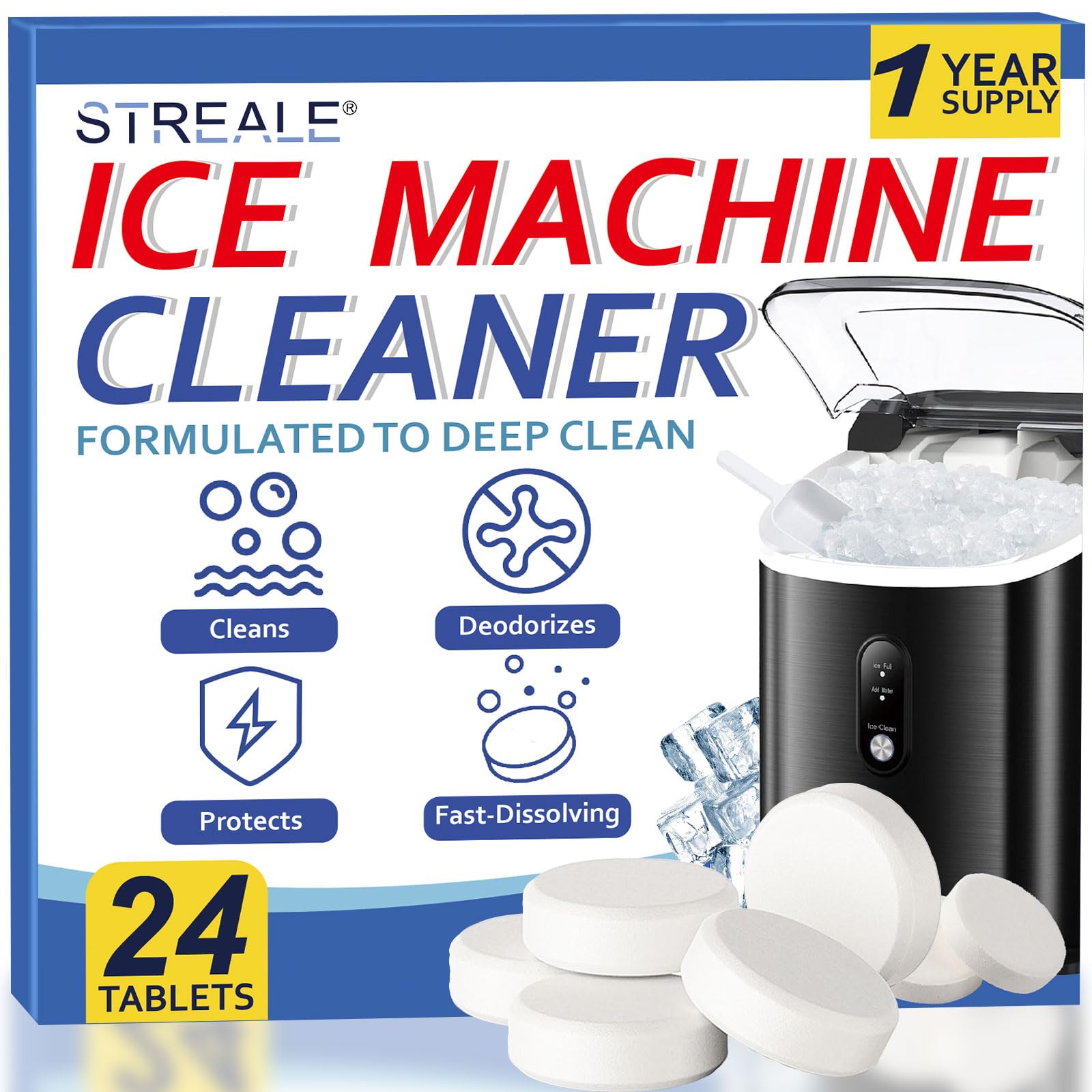
- Cleaning tablets such as GRIME LABS Ice Machine Cleaner Tablets or STREALE Ice Maker Cleaning Tablets.
- A soft brush or non‑abrasive sponge.
- Distilled water for rinsing.
- A clean container for waste water.
- Protective gloves (optional).
Step 1: Prepare the Ice Maker for Descaling
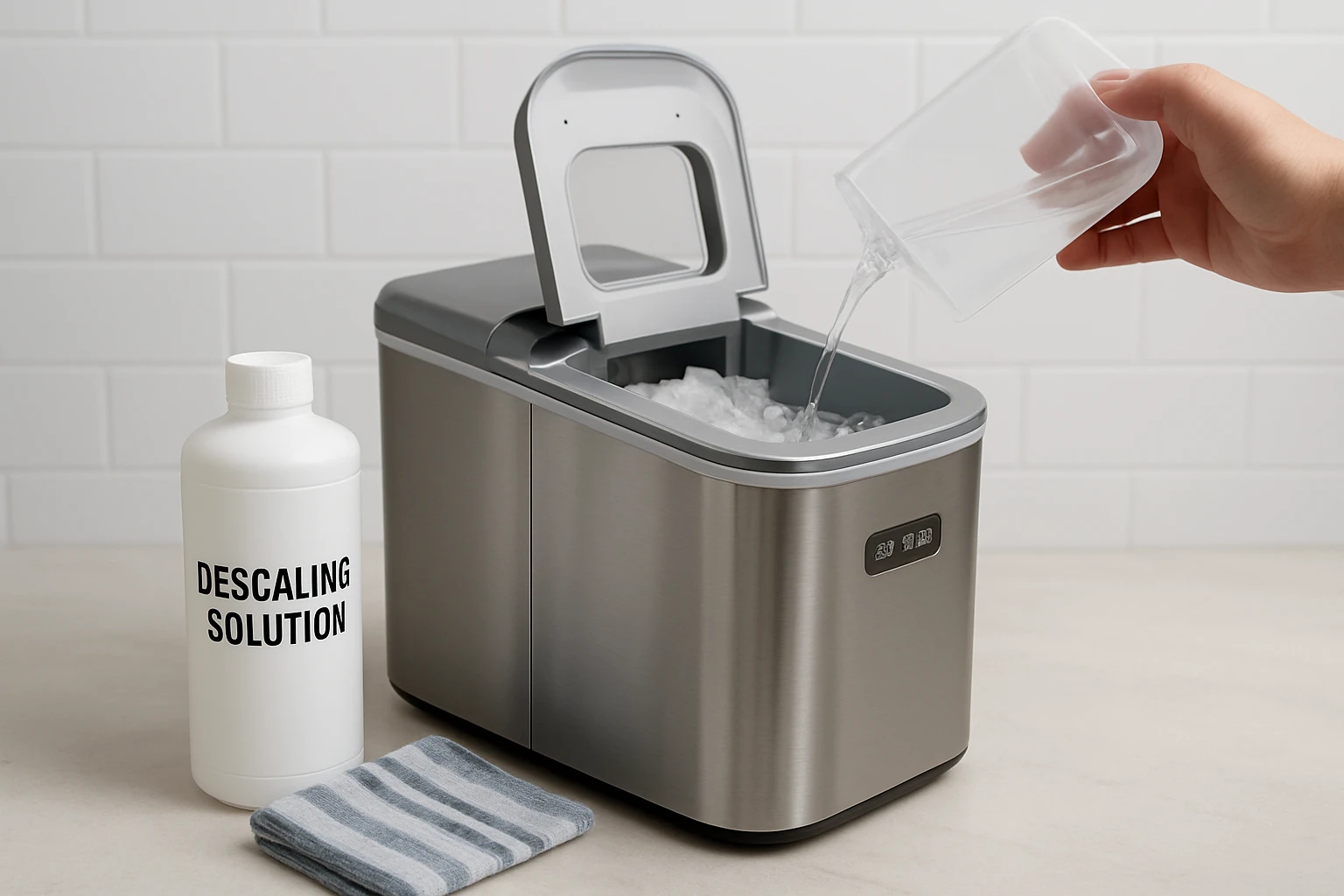
Before any cleaning begins, disconnect the ice maker from the power outlet to avoid accidental activation. Remove the ice basket and discard any remaining ice; this prevents fresh ice from mixing with cleaning residues. Locate the water reservoir – on the Frigidaire model it holds 2.1 qt., which is sufficient for a single cleaning cycle. Empty the reservoir completely, then wipe the interior with a damp cloth to eliminate loose debris.
Why this matters: Removing ice and water reduces the risk of dilution, allowing the cleaning tablets to work at full strength. The transparent window on the Frigidaire Portable Ice Maker lets one verify that the reservoir is empty, a convenience that speeds up preparation.
Step 2: Choose the Appropriate Cleaning Tablet
Both GRIME LABS and STREALE tablets are nickel‑safe, food‑grade descalers designed for countertop and portable ice makers. The GRIME LABS tablets are priced at $19.90 for a 24‑tablet pack and hold a 4.5‑star rating from 135 reviewers. They claim to remove hard‑water deposits, mold, and improve taste in a single drop‑in step. STREALE tablets cost $8.61 for a 24‑tablet pack with a 4.4‑star rating from 1,008 reviewers, offering a similar citric‑acid formula at a lower price point.
For this guide, the GRIME LABS tablets are recommended for their slightly higher rating and broader marketing claim of “one‑year supply,” which aligns with regular monthly maintenance. However, users on a tighter budget may opt for the STREALE tablets without sacrificing effectiveness.
Step 3: Run the Descaling Cycle
Place one tablet into the empty water reservoir. For the Frigidaire Portable Ice Maker, the reservoir is accessed by lifting the lid on the front‑right side. After inserting the tablet, fill the reservoir with distilled water up to the maximum fill line. Distilled water ensures that no additional minerals are introduced during the cleaning process.
Close the lid and plug the ice maker back into the outlet. Activate the machine using the digital LED control panel; select the “clean” or “maintenance” mode if available, otherwise start a normal ice‑making cycle. The tablet will dissolve within minutes, releasing citric acid that dissolves calcium carbonate and other mineral deposits. The process typically takes 30–45 minutes, during which the machine will produce a clear, slightly cloudy water that exits through the drain plug.
Why the tablet works: Citric acid chelates calcium and magnesium ions, converting solid scale into soluble compounds that can be flushed away. The nickel‑safe formulation protects the stainless‑steel interior and any nickel components from corrosion, a critical consideration for long‑term durability.
Step 4: Rinse Thoroughly
After the descaling cycle completes, discard the waste water into the prepared container. Rinse the reservoir three times with fresh distilled water, each time filling to the maximum line and running a short ice‑making cycle (or simply allowing the water to sit for a few minutes before draining). This triple‑rinse method guarantees that any residual acid or loosened scale is fully removed.
During rinsing, use a soft brush or non‑abrasive sponge to gently scrub the interior basket and the water inlet valve. Avoid metal scouring pads, as they can scratch the stainless‑steel surface and create new sites for mineral adherence.
Once the final rinse is clear, wipe the exterior with a dry cloth. The Frigidaire model’s sleek stainless finish will retain its shine when kept free of water spots.
Step 5: Refill and Resume Normal Operation
Refill the water reservoir with filtered tap water or, preferably, distilled water if the local supply is known to be hard. Turn the machine back on and allow it to produce a fresh batch of ice. Observe the first few cubes; they should be clear and free of any off‑flavors, indicating successful descaling.
To prevent future scaling, schedule a cleaning tablet insertion every 30 days for hard‑water regions, or every 60 days for moderate water hardness. Regular maintenance minimizes the need for deep cleaning and extends the machine's warranty period.
Tips & Pro Tips
- Use a water softener or inline filtration system if the household water hardness exceeds 150 ppm; this reduces the frequency of tablet use.
- Never mix cleaning tablets with other chemicals; citric‑acid tablets are designed to work alone for safety and effectiveness.
- Store tablets in a dry, cool place to preserve potency; moisture can cause premature activation.
- Check the transparent window regularly to monitor ice levels; an unexpectedly low level may signal early scaling.
- When the ice maker produces unusually small or misshapen cubes, it often indicates mineral buildup near the ice‑shaping module.
Troubleshooting
| Problem | Possible Cause | Solution |
|---|---|---|
| No ice production | Severe scaling blocking the water line | Perform a second descaling cycle using a fresh tablet; increase rinses to five. |
| Ice tastes metallic | Residual mineral deposits | Run an additional rinse with distilled water and verify the tablet fully dissolved. |
| Ice cubes are cloudy | Incomplete removal of limescale | Use a soft brush to manually scrub the interior basket, then repeat the cleaning tablet step. |
Conclusion
Scaling from hard water is a common challenge for countertop ice makers, but with systematic descaling and preventive maintenance, one can enjoy consistently clear ice and a longer‑lasting appliance. By following the five steps outlined above, using the Frigidaire Portable Ice Maker as a reference model, and incorporating GRIME LABS or STREALE cleaning tablets, the user will mitigate mineral buildup effectively. Regular attention to water quality and scheduled cleaning ensures that the ice maker remains a reliable partner for home entertaining and everyday refreshment.
Products Mentioned in This Guide
Frequently Asked Questions
What causes scaling in countertop ice makers?
Hard water deposits minerals like calcium and magnesium inside the machine, forming scale on the evaporator and water lines.
How often should I descale my countertop ice maker?
Descale every 1–3 months, depending on your water hardness and usage frequency.
Are cleaning tablets safe for all countertop ice maker brands?
Most commercial cleaning tablets are safe for standard models, but always verify compatibility with your manufacturer’s guidelines.
Can using distilled water prevent scaling?
Yes, distilled water contains no minerals, so it eliminates the primary source of scale buildup.
What simple maintenance steps keep scaling at bay?
Run a regular cleaning cycle with tablets, rinse with distilled water, and wipe the water reservoir and tray after each use.