Introduction
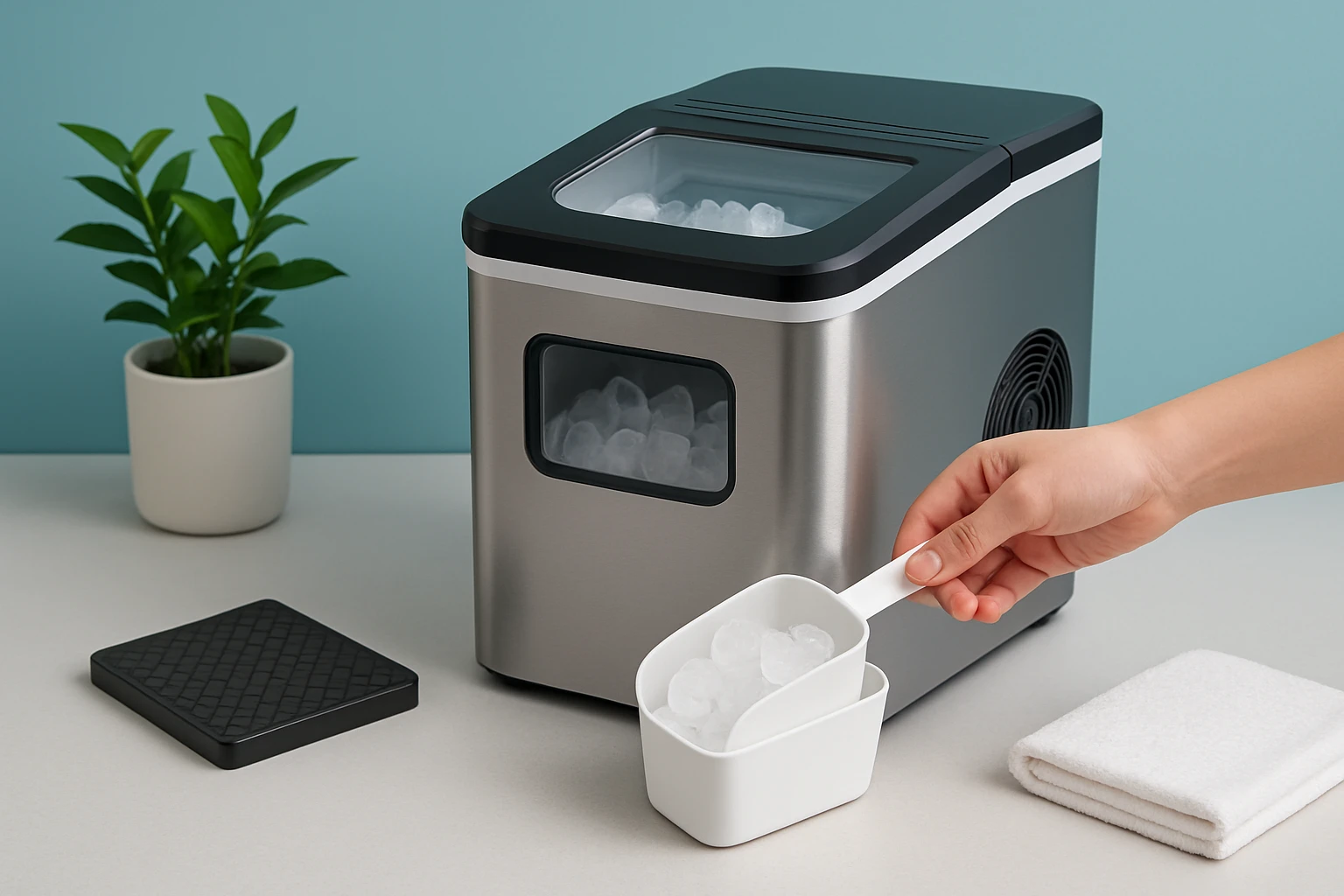
One often discovers that a countertop ice maker can generate a surprising amount of noise during operation. The vibrations from the compressor and the motor can disrupt conversation, television viewing, or even a quiet work environment. This guide explains ten practical hacks that reduce both vibration and motor noise, allowing the user to enjoy fresh ice without distraction. The reader will learn how to assess the source of noise, apply simple physical modifications, and maintain the unit for long‑term quiet performance.
What You'll Need
- Rubber anti‑vibration pads or a silicone mat (available at most hardware stores).
- Adjustable wrench or screwdriver set for tightening bolts.
- Soft cloth or microfiber towel for cleaning.
- Antarctic Star Countertop Ice Maker – a model noted for its library‑quiet operation.
- Silonn Countertop Ice Maker – another low‑decibel option with a clear viewing window.
- XANGNIER Ice Cleaning Kit – for deep cleaning of internal pipes and preventing noise caused by mineral buildup.
- PIAOLGYI Ice Scoop Holder – to secure the scoop and eliminate rattling.
Step 1: Position the Ice Maker on a Level Surface
One should begin by verifying that the countertop is perfectly level. An uneven surface forces the unit to work against gravity, increasing motor strain and producing extra vibration. Use a small spirit level placed on top of the ice maker; adjust the feet until the bubble is centered. Both the Antarctic Star Countertop Ice Maker and the Silonn Countertop Ice Maker feature adjustable feet that can be tightened with a simple screwdriver, allowing precise leveling without additional tools.
Step 2: Add Anti‑Vibration Pads Under the Unit
After the surface is level, place rubber anti‑vibration pads beneath each corner of the ice maker. The pads absorb residual motion from the compressor and prevent the unit from transmitting vibrations to the countertop. Choose pads that are at least 1/4‑inch thick for optimal damping. While generic pads are inexpensive, the Antarctic Star Countertop Ice Maker already incorporates a low‑profile rubber base, making it a suitable companion for additional padding if the countertop is particularly resonant.
Step 3: Secure Loose Components
Vibrations can be amplified when internal components such as the water reservoir latch or the ice basket are not firmly secured. Inspect the latch mechanism and tighten any loose screws with an adjustable wrench. The Silonn Countertop Ice Maker includes a quick‑release latch that can become slightly loose after repeated use; a brief tightening restores rigidity and reduces rattling.
Step 4: Use a Silicone Mat to Isolate the Unit
Placing the ice maker on a silicone mat provides an additional layer of acoustic insulation. Silicone absorbs sound waves more effectively than wood or laminate, resulting in a quieter operation. The mat should be slightly larger than the footprint of the machine (approximately 12" x 12"). This step is especially valuable for open‑plan kitchens where sound travels quickly.
Step 5: Clean the Condenser Coils Regularly
Dust and mineral deposits on the condenser coils force the compressor to work harder, increasing both heat and noise. Use the XANGNIER Ice Cleaning Kit to reach deep into the pipe network and remove buildup. The kit includes two 58‑inch long pipe brushes and eight small crevice brushes, ensuring thorough cleaning of hard‑to‑reach areas. Regular cleaning, performed monthly, maintains efficient heat exchange and keeps the motor running smoothly.
Step 6: Adjust the Water Supply Flow Rate
Excessive water flow can cause the pump to vibrate, producing a humming sound. Reduce the flow by partially closing the faucet valve or using a flow‑restrictor adapter. A smoother, slower water intake lessens the strain on the pump, resulting in quieter operation. Both recommended models feature a built‑in water level sensor that will pause production if the water supply is insufficient, providing an automatic safeguard.
Step 7: Optimize the Ice Tray Placement
The ice basket should sit evenly within the housing. An off‑center basket contacts the internal walls during the ejection cycle, creating a clacking noise. Remove the basket, align it with the guide rails, and gently push it back into place. The Antarctic Star Countertop Ice Maker includes a clear basket that slides smoothly, but occasional realignment ensures silent ice release.
Step 8: Install a Dedicated Ice Scoop Holder
When the scoop is left to rest on the countertop, it can vibrate against the surface each time the machine cycles, amplifying overall noise. Attach the PIAOLGYI Ice Scoop Holder to the side of the unit. The holder is made of high‑quality plastic, mounts easily with the supplied clips, and keeps the scoop securely out of the way. By preventing the scoop from rattling, the user eliminates an otherwise avoidable source of noise.
Step 9: Perform a One‑Touch Auto Clean Cycle
Both the Antarctic Star and Silonn models feature a one‑touch auto‑clean function that flushes the internal water lines with hot water, dissolving mineral residues. Activate this cycle weekly to avoid the gradual accumulation of scale, which can cause the motor to vibrate as it works against obstruction. The auto‑clean process takes approximately five minutes and requires no disassembly, making it an effortless maintenance habit.
Step 10: Monitor Ambient Temperature and Ventilation
High ambient temperatures force the compressor to run longer, increasing noise duration. Ensure that the surrounding area is well‑ventilated and that the back of the unit is not obstructed by cabinets or appliances. Adequate airflow allows the compressor to cool efficiently, shortening run time and reducing overall sound output.
Tips & Pro Tips
- Place a small towel underneath the anti‑vibration pads to catch any condensation that may form.
- When using the cleaning kit, run the auto‑clean cycle immediately afterward to rinse out loosened debris.
- If the unit still produces a low‑frequency hum, consider adding a thin acoustic panel on the wall behind the ice maker.
- Schedule a quarterly deep clean using the XANGNIER Ice Cleaning Kit to preserve quiet performance over the long term.
Troubleshooting
Problem: Persistent rattling during the ice ejection phase.
Solution: Verify that the ice basket is fully seated and that the anti‑vibration pads are not displaced. Re‑align the basket and re‑secure the pads.
Problem: High‑pitched whine from the motor.
Solution: Clean the condenser coils with the XANGNIER Ice Cleaning Kit. If the whine persists, inspect the fan blade for debris.
Conclusion
One can achieve a markedly quieter countertop ice maker by following these ten systematic hacks. By leveling the unit, adding vibration‑absorbing pads, securing loose components, and maintaining the internal mechanisms with the appropriate cleaning tools, the user eliminates most sources of unwanted noise. The recommended products—particularly the Antarctic Star Countertop Ice Maker, the Silonn Countertop Ice Maker, the XANGNIER Ice Cleaning Kit, and the PIAOLGYI Ice Scoop Holder provide reliable tools that complement each step. Implementing these practices will ensure that fresh ice is produced silently, enhancing comfort in any kitchen, office, or recreational setting.
Products Mentioned in This Guide
Frequently Asked Questions
Why does my countertop ice maker make loud noises?
The compressor and motor generate vibrations that transfer to the countertop, amplifying sound during the ice‑making cycle.
Can rubber anti‑vibration pads reduce ice maker noise?
Yes, placing rubber pads or a silicone mat under the unit dampens vibrations and lowers the perceived volume.
How do I identify the specific source of noise in my ice maker?
Listen for rattling (loose bolts) versus humming (motor); tighten any bolts and isolate the unit to pinpoint the culprit.
Do tighter bolts really help with noise reduction?
Securing bolts prevents metal‑to‑metal contact that creates rattles, making the operation quieter.
Are there countertop ice maker models that are naturally quieter?
Models like the Antarctic Star and Silonn Countertop Ice Makers are designed for low‑decibel operation and often require fewer modifications.