How to Remove and Reintroduce Minerals for Crystal‑Clear, Flavorful Cocktail Ice: A Step‑by‑Step Guide
Introduction
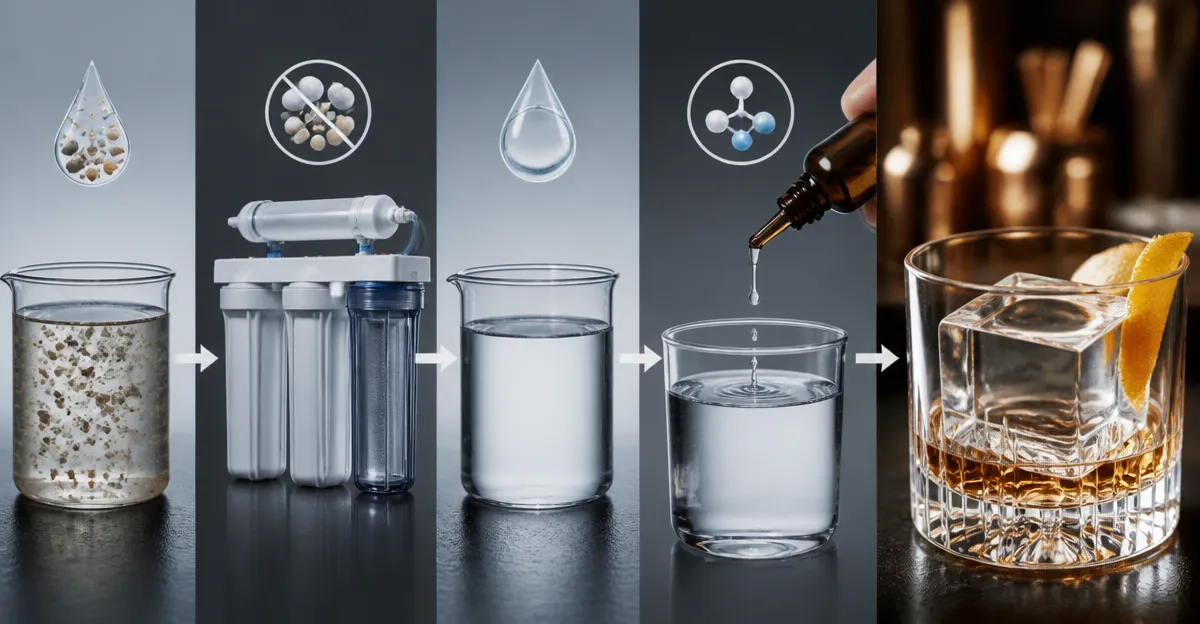
The clarity and melt rate of ice dramatically influence the taste and presentation of premium cocktails. This guide teaches readers how to eliminate unwanted minerals from water, then reintroduce a precise mineral balance to produce crystal‑clear, slow‑melting ice. Mastering these techniques enables one to serve whiskey, bourbon, or mixed drinks that remain perfectly chilled without excessive dilution, thereby enhancing the overall drinking experience.
Readers will discover the science behind mineral removal, practical methods for controlled re‑mineralisation, and the tools that simplify each stage. Whether one is a home‑bar enthusiast or a professional mixologist, the procedures described are actionable, cost‑effective, and scalable.
The guide also integrates carefully selected Amazon products that serve as reliable tools for each step. While the techniques can be performed with generic kitchen items, the recommended items improve consistency, reduce effort, and protect the integrity of the ice.
What You’ll Need
- Filtered tap water or bottled spring water
- Boiling pot or electric kettle
- Reverse‑osmosis (RO) system or distilled‑water generator (optional for mineral removal)
- Food‑grade mineral supplement (e.g., calcium chloride, magnesium sulfate) or commercial ice‑mineral drops
- Ice‑mold tools (see product recommendations below)
- Freezer with adequate space
- Clean storage containers for finished ice
Step‑by‑Step Instructions
1. Select a High‑Quality Water Source
The first determinant of ice clarity is the baseline water composition. Municipal water often contains calcium, magnesium, and iron, which create cloudiness when frozen. Begin by using filtered tap water that has passed through an activated‑carbon filter, or select a reputable bottled spring water with low total dissolved solids (TDS).
Testing the TDS with a simple handheld meter can confirm suitability; values below 50 ppm typically yield clear ice after proper processing. If the water source exceeds this range, proceed to the mineral‑removal stage.
Using filtered water reduces the workload for later steps and ensures that the reintroduced minerals are the only contributors to flavor, rather than random contaminants.
2. Purge Dissolved Gases and Reduce Hardness
Boiling the water for three to five minutes drives out dissolved oxygen and carbon dioxide, both of which form micro‑bubbles during freezing. After boiling, allow the water to cool to room temperature in a covered container to prevent airborne contamination.
For an extra level of hardness reduction, pass the boiled water through a reverse‑osmosis (RO) membrane or use a small countertop distiller. RO systems remove up to 99 % of dissolved minerals, creating a near‑pure baseline for controlled re‑mineralisation.
While RO units represent an upfront investment, they provide consistent results and eliminate the need for multiple filtration stages.
3. Choose the Appropriate Ice Mold
Clear ice benefits from a slow, directional freezing process that pushes impurities toward the top of the mold. Large sphere or cube molds with insulated designs encourage this effect. For spherical ice, the Tovolo Ice Sphere Molds (price $9.73, rating 4.7/5) feature silicone lids that seal tightly, preventing freezer odors and allowing the water to freeze from the bottom upward. Their stackable design maximises freezer space, making them ideal for batch production.
If one prefers square cubes, the FDDBI Large Whiskey Ice Cube Tray (price $8.99, rating 4.6/5) offers 2‑inch cubes that melt slowly and fit comfortably in most glasses. The flexible silicone cavities and tight‑fitting lid keep ice fresh and free from freezer aromas.
Both products are dishwasher‑safe, BPA‑free, and include easy‑release features that minimise cracking—a common issue when extracting clear ice.
4. Implement Controlled Freezing for Maximum Clarity
Place the filled molds in the coldest part of the freezer, ideally a dedicated freezer drawer set to –18 °C (0 °F) or lower. For sphere molds, orient the silicone lids upward so that air rises and concentrates at the top, where it can be trimmed away after freezing.
The Unigul Clear Ice Ball Maker (price $29.99, rating 4.4/5) incorporates an insulated stainless‑steel cup that further slows the freezing front, yielding exceptionally clear spheres. Its vacuum‑insulated design reduces temperature fluctuations, which can otherwise cause micro‑cracks and cloudiness.
Allow the ice to freeze for at least 12 hours. Longer freeze times encourage impurities to migrate fully to the top, where they can be removed with a quick tap of the mold before extraction.
5. Remove Unwanted Minerals (If Not Using RO Water)
When RO or distillation is unavailable, a simple mineral‑removal technique involves repeated freezing and discarding the first batch. Freeze a full tray, then discard the ice and repeat the process three times. Each cycle reduces mineral concentration because the majority of dissolved solids are excluded from the ice lattice.
For those seeking a more precise approach, commercial de‑mineralising cartridges (available at kitchen supply stores) can be attached to a water pitcher. These cartridges use ion‑exchange resin to bind calcium and magnesium ions, producing water with a TDS below 20 ppm.
After achieving the desired purity, proceed to the re‑mineralisation step to tailor the water’s taste profile.
6. Re‑Introduce Targeted Minerals
Pure water freezes into perfectly clear ice but lacks the subtle mouthfeel that trace minerals provide. Adding a calibrated amount of calcium chloride (approximately 0.02 g per litre) and magnesium sulfate (0.01 g per litre) restores the mineral balance found in natural spring water, enhancing the perception of smoothness in whiskey and cocktails.
Commercial ice‑mineral drops, such as those sold for brewing, offer pre‑measured blends that simplify dosing. Add the drops to the filtered water before the final freeze, stirring gently to ensure even distribution.
Testing the water’s hardness after addition with a simple test strip can verify that the target range (50‑100 ppm calcium carbonate) has been achieved. This range provides a pleasant texture without re‑introducing cloud‑causing particles.
7. Freeze the Mineral‑Adjusted Water
Return the mineral‑adjusted water to the chosen mold—either the Samuelworld Ice Cube & Sphere Molds (price $14.99, rating 4.6/5) for a combo of spheres and cubes, or the WIBIMEN Large Ice Sphere Molds (price $14.39, rating 4.5/5) for robust, easy‑twist release.
These molds feature thick edges and conical release bumps that minimise hand strain and reduce the risk of cracking the ice during extraction. Their storage bins and tongs (included with the WIBIMEN set) keep the finished spheres sanitary and organized.
Freeze for a minimum of 12 hours, then gently twist or push from the bottom to release the ice. Rinse briefly with cold water to remove any residual silicone or plastic particles.
Tips & Pro Tips
- Use filtered water for the first freeze. Even if you plan to re‑mineralise later, starting with low‑mineral water reduces the amount of additive required.
- Control freezer temperature. A stable –18 °C environment prevents partial thaw cycles that cause cloud formation.
- Employ directional freezing. Placing molds on a metal tray that conducts cold from the bottom upward encourages impurities to rise.
- Store ice in a sealed container. Exposure to freezer odors can impart off‑flavours; the silicone lids on the Tovolo and FDDBI trays provide built‑in protection.
- Experiment with mineral ratios. Slightly higher calcium levels enhance mouthfeel for bourbon, while a touch more magnesium benefits gin‑based cocktails.
- Label your batches. Note the mineral composition and freeze date; this practice aids consistency for repeat cocktails.
Troubleshooting
| Problem | Possible Cause | Solution |
|---|---|---|
| Cloudy ice | Insufficient mineral removal or rapid freezing | Extend boiling time, use RO water, or freeze slower using insulated molds. |
| Cracked spheres | Water expands unevenly or mold is too rigid | Fill slightly below the line, use flexible silicone lids, and warm the mold briefly before removal. |
| Ice tastes flat | Over‑purified water with no minerals | Add calibrated mineral drops as described in Step 6. |
| Ice sticks to mold | Silicone has hardened or freezer temperature too low | Run the mold under warm tap water for 5‑10 seconds before release. |
Conclusion
By systematically removing unwanted minerals, carefully re‑introducing a balanced mineral profile, and employing purpose‑built molds, anyone can produce crystal‑clear, slow‑melting ice that elevates the flavor and aesthetics of cocktails. The techniques outlined combine scientific rigor with practical kitchen tools, ensuring repeatable results without reliance on expensive commercial ice makers.
Implement these steps, experiment with mineral ratios, and observe the transformation in your favorite whiskey or mixed drink. The right ice not only chills but also preserves the integrity of the spirit, delivering a superior sipping experience.
Products Mentioned in This Guide
Frequently Asked Questions
Why does mineral content affect the clarity and melt rate of cocktail ice?
Minerals cause cloudiness and create air pockets that melt faster, diluting drinks more quickly.
What is the simplest method to remove minerals from tap water for ice making?
Use a high‑capacity reverse osmosis (RO) filter or distilled water to eliminate most dissolved minerals.
How can I re‑introduce minerals to achieve optimal flavor without clouding the ice?
Add a measured pinch of food‑grade mineral blend or a calibrated mineral cartridge after filtration to reach a target hardness of 30‑50 ppm.
Which Amazon‑listed tools are recommended for consistent mineral removal and re‑mineralisation?
A 5‑stage RO system, a calibrated mineral dropper set, and a silicone ice mold tray are popular choices for reliable results.
Can I use regular kitchen items instead of specialized equipment and still get clear ice?
Yes, boiling and rapid cooling or using a simple water filter can work, but results may be less consistent than with dedicated RO and mineral dosing tools.