Introduction
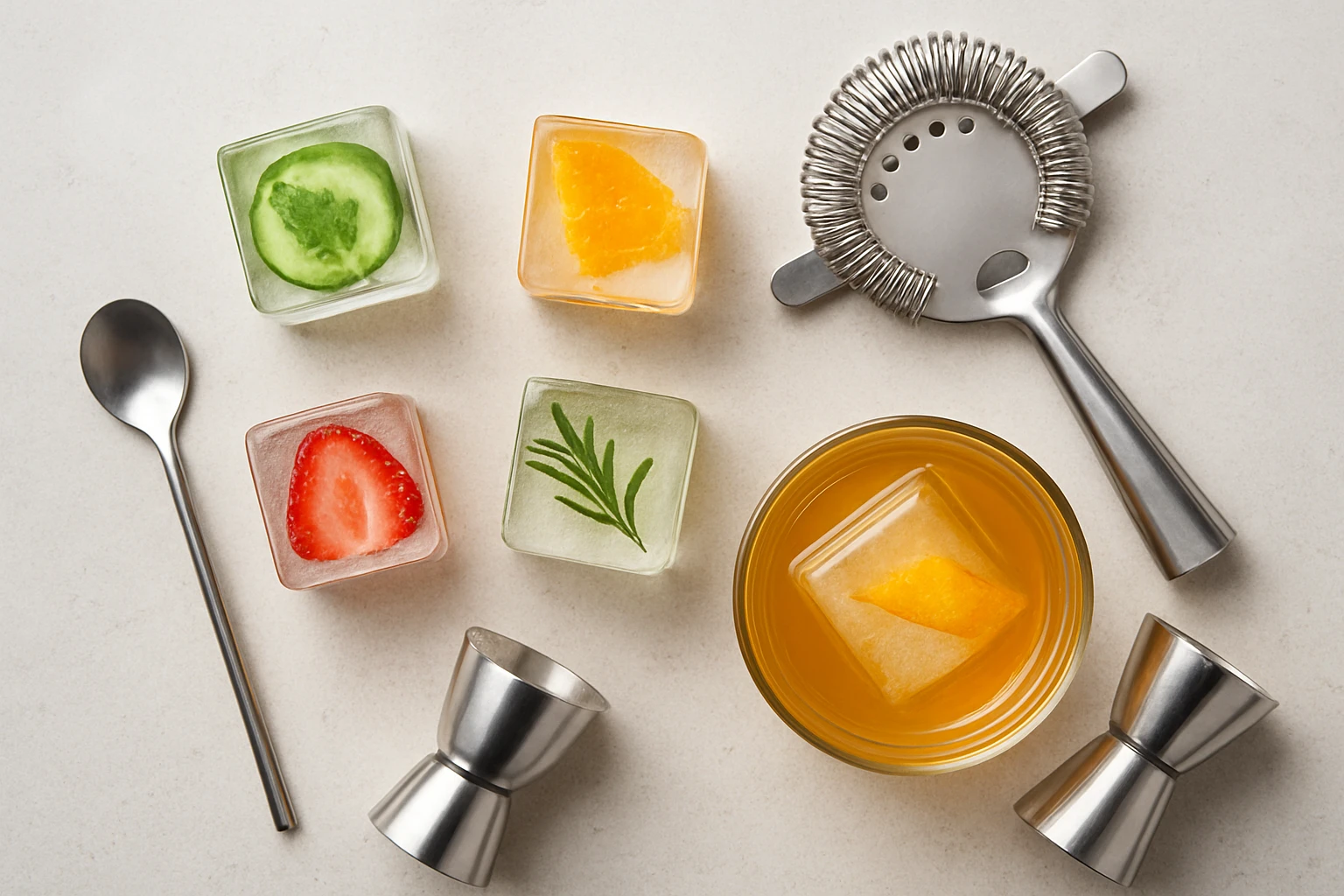
In this guide one will discover how to craft flavored ice cubes that release aroma gradually, keeping cocktails refreshing without dilution. The technique combines culinary science with practical tools, allowing both home enthusiasts and professional bartenders to elevate their beverage experience. Readers will learn how to select appropriate molds, prepare infusion liquids, and store the cubes for optimal flavor retention. By the end of the article one will be able to produce ice that adds depth to whiskey, gin, or any mixed drink for weeks on end.
What You'll Need
- Food‑grade silicone ice molds (e.g., FOSOE Silicone Ice Ball Molds or Cyhdddr Rose Ice Cube Mold)
- Fresh herbs, fruit zest, or spices for flavor infusion
- Distilled or filtered water to avoid mineral cloudiness
- Measuring cup, small saucepan, and stirring spoon
- Freezer with sufficient space for the chosen molds
Step‑by‑Step Instructions
Step 1: Choose the Ideal Ice Mold
Select a mold that matches the desired aesthetic and melt rate. Large sphere molds, such as the FOSOE Silicone Ice Ball Molds, create 2.5‑inch balls that melt slower than standard cubes, preserving flavor longer. The silicone construction is BPA‑free, non‑toxic, and features an easy‑release mechanism that reduces breakage. For decorative cocktails, the Cyhdddr Rose Ice Cube Mold produces nine rose‑shaped cubes per tray, adding visual appeal while still delivering gradual melt.
Step 2: Prepare the Flavor Base
Combine your chosen flavoring agents with water in a small saucepan. A typical ratio is one cup of water to one tablespoon of fresh herbs, fruit zest, or a pinch of spice. Heat the mixture gently until it reaches a simmer, allowing the aromas to infuse without boiling away volatile compounds. After five minutes, remove the pan and let the liquid cool to room temperature; this prevents premature melting when poured into the molds.
Step 3: Strain and Fill the Molds
Using a fine mesh strainer, remove solid ingredients to obtain a clear infusion. Pour the strained liquid into the silicone molds through the transparent lid, which lets you monitor the water level and avoid overfilling. The split‑design of the FOSOE molds accelerates filling, while the rose mold’s shallow trays accommodate multiple flavors simultaneously, enabling creative layering.
Step 4: Seal and Freeze
Close each mold tightly to maintain airtightness, then place them in the freezer on a flat surface. Allow at least four hours for the ice to solidify completely; larger spheres may require up to six hours. The silicone material resists cracking even at low temperatures, ensuring a flawless sphere or rose shape when released.
Step 5: Release the Ice Cubes
To remove the frozen spheres, gently squeeze the silicone bottom of the FOSOE mold after a brief minute at room temperature. This softens the seal and allows the ice ball to pop out cleanly. For the rose mold, press the back of each cavity with a fingertip; the non‑sticky surface lets the rose ice slide out effortlessly. Both designs minimize the risk of fracturing the cubes, preserving their aesthetic integrity.
Step 6: Store and Use
Transfer the released cubes to a sealed freezer bag or airtight container to protect them from freezer burn. When ready to serve, add one or two flavored spheres to the cocktail of choice. As the ice melts slowly, it releases the infused flavors, enhancing the drink without diluting it excessively. This method works particularly well with whiskey, bourbon, or gin‑based cocktails where a subtle aromatic lift is prized.
Tips & Pro Tips
- Use distilled water to achieve crystal‑clear ice and avoid cloudy spots caused by minerals.
- Experiment with layered flavors by freezing a thin base layer, adding a second flavor, and refreezing before the final top layer.
- For extra aroma, lightly mist the surface of the ice with a complementary essential oil (food‑grade only) just before serving.
- Keep a small silicone spatula on hand to lift delicate rose cubes without breaking them.
- Label each batch with the infusion type and date to track freshness; flavored ice is best used within two weeks.
Troubleshooting
Problem: Ice cubes are cloudy or have cracks.
Solution: Ensure the water is fully cooled before pouring, and avoid shaking the molds during freezing. Using the airtight silicone lids of the FOSOE molds prevents air pockets that cause cloudiness.
Problem: Flavors are weak after melting.
Solution: Increase the concentration of herbs or zest in the infusion base, or use a second freeze‑thaw cycle to intensify the taste.
Conclusion
This step‑by‑step guide has demonstrated how to create slowly melting, flavored ice cubes that enhance cocktails with lasting aroma. By selecting the appropriate silicone molds, preparing a balanced infusion, and following proper freezing techniques, one can consistently produce professional‑grade ice without expensive equipment. The added tips and troubleshooting advice ensure reliable results, encouraging readers to experiment with new flavor combinations and elevate their home bar experience.
Products Mentioned in This Guide
Frequently Asked Questions
What type of water should I use for flavor‑infused ice cubes?
Use distilled or filtered water to prevent mineral cloudiness and keep the flavor clear.
Can I use alcohol in the infusion liquid?
Yes, add a small amount of high‑proof spirit for stronger flavor, but keep it below 30% ABV to ensure it freezes solid.
How long do flavored ice cubes retain their aroma in the freezer?
Stored in an airtight container, they stay aromatic for 2–3 weeks.
What are the best silicone molds for slow‑infusing ice?
Food‑grade silicone molds like FOSOE ice ball molds or Cyhdddr rose cubes provide even freezing and easy release.
Do I need to pre‑chill the infusion mixture before freezing?
Cooling the mixture briefly speeds up freezing and helps preserve delicate herb and zest flavors.