How to Test Ice for Bacteria at Home: Easy Step-by-Step DIY Methods, Test Kits & Safety Tips
Introduction
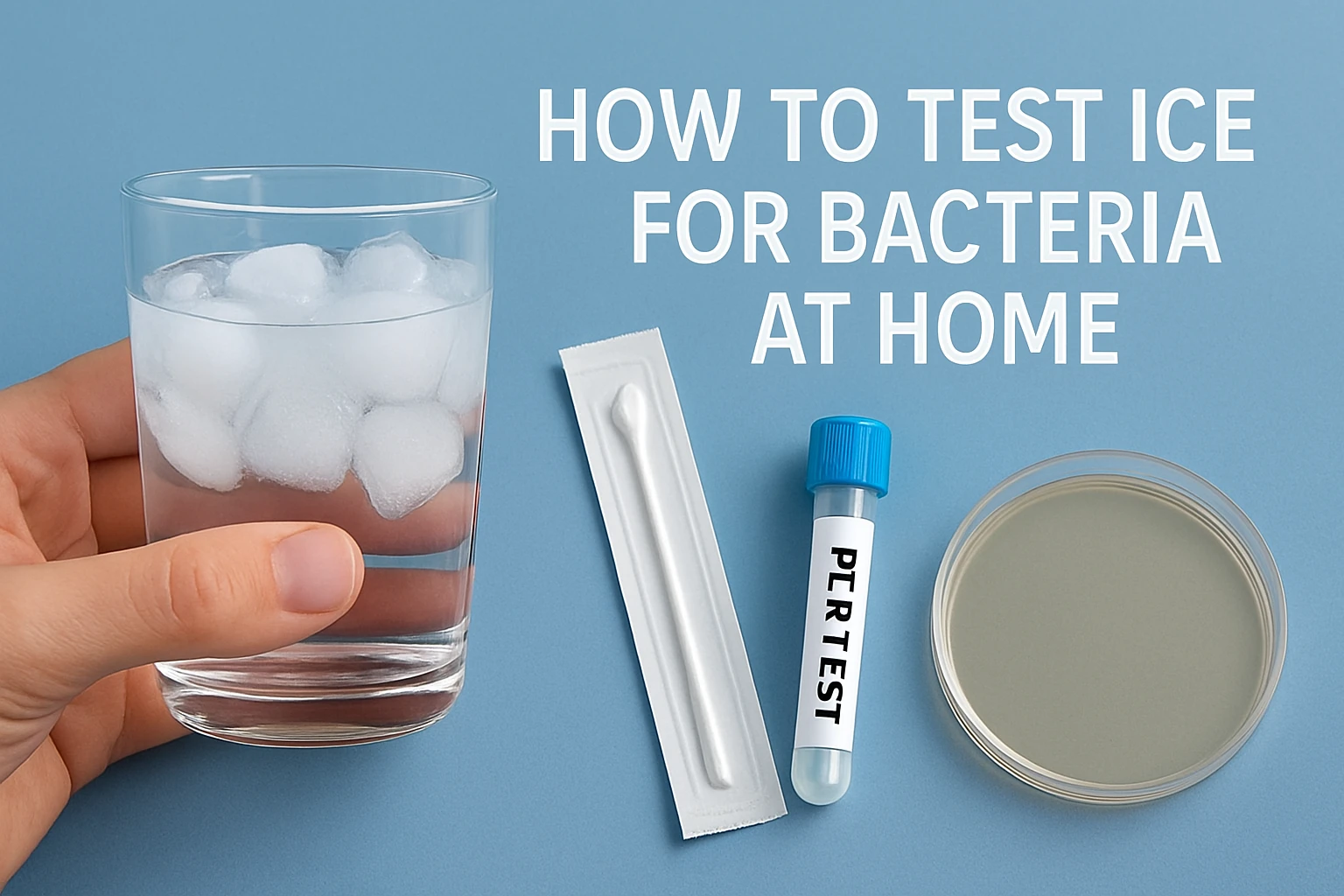
Ice may appear pristine, yet it can harbour invisible microbes that threaten health, especially in households with children or immunocompromised members. This guide explains how one can assess the microbial safety of ice using simple, scientifically backed procedures. Readers will learn why testing matters, which tools streamline the process, and how to interpret results confidently. By the end, one will be equipped to protect family members and maintain a hygienic freezer environment.
What You’ll Need
- Clean sampling containers (sterile cups or resealable bags)
- Distilled water for control samples
- Protective gloves
- Surface disinfectant for workspace
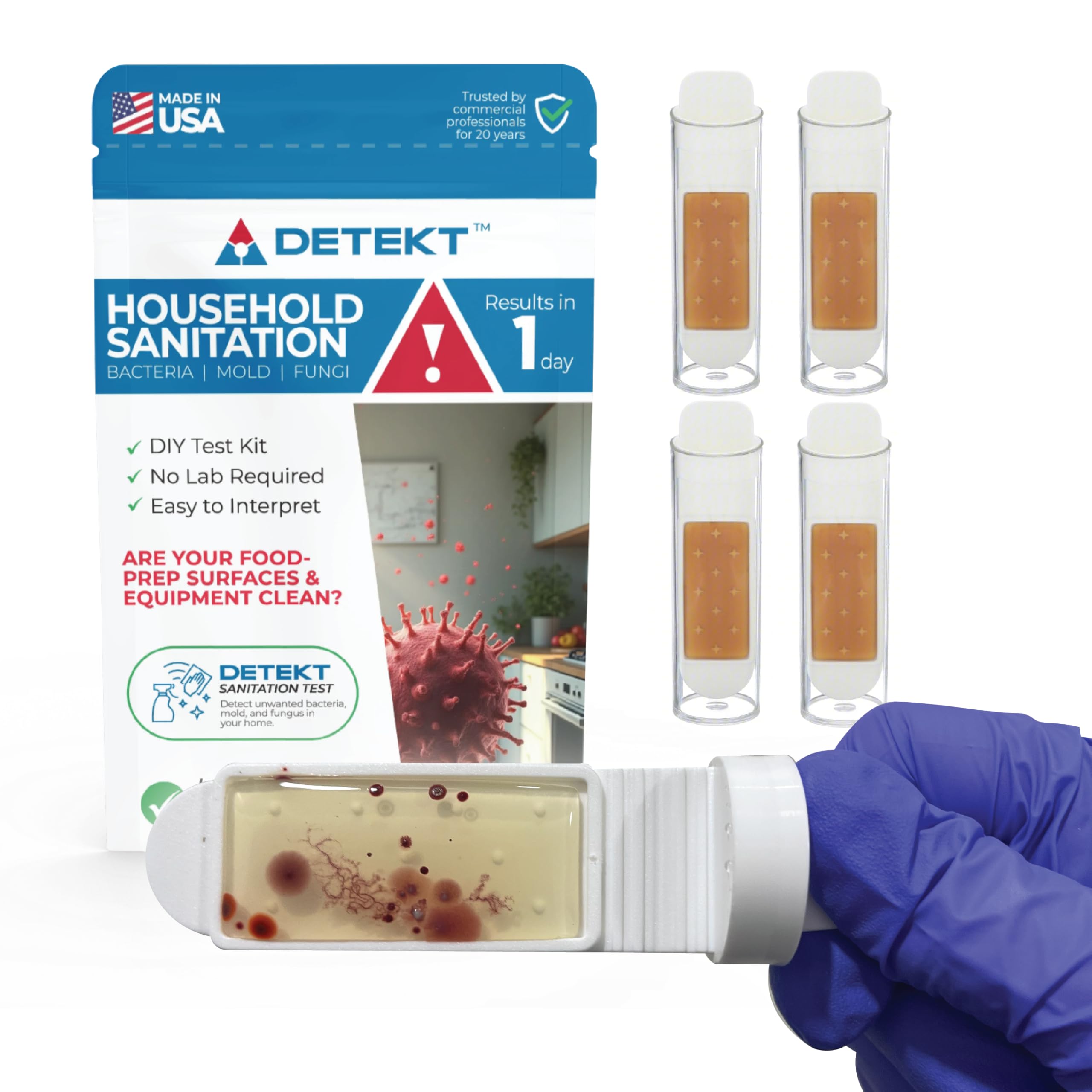
- Detekt Home Microbial Test Kit – for surface and ice testing
- Exploro Water Bacteria Test Kit – for water‑based ice analysis
Step-by-Step Instructions
1. Prepare a Clean Work Area
Begin by sanitising the countertop with an alcohol‑based cleaner to minimise cross‑contamination. Wear disposable gloves to protect both the sample and your hands from potential pathogens. Gather all materials within arm’s reach to avoid unnecessary movement that could introduce airborne microbes. This preparation mirrors laboratory best practices and ensures that any growth observed originates from the ice, not the environment.
2. Collect Ice Samples
Open the freezer and select ice cubes that have been stored for at least 24 hours, as this duration allows any surface microbes to establish detectable colonies. Using sterile tweezers, transfer three cubes into a sterile cup, then add 10 ml of distilled water to melt the ice completely. Repeat the process for a control sample using freshly boiled water that has been cooled, to confirm that the test kits function correctly. The melting step creates a liquid medium compatible with both test kits.
3. Choose the Appropriate Test Kit
If the goal is a broad assessment of bacteria, mold, and fungus on the ice surface, the Detekt Home Microbial Test Kit is ideal. It provides dual‑sided culture tubes that differentiate bacterial from fungal growth, delivering results within 48‑72 hours without the need for a laboratory. For water‑specific coliform and E. coli detection, especially when testing melted ice water, the Exploro Water Bacteria Test Kit offers a rapid 15‑minute assay followed by a 24‑72 hour incubation period. Selecting the kit that matches the intended microbial target maximises accuracy and saves time.
4. Conduct the Detekt Test (Surface‑Based)
Open one of the dual‑sided culture tubes and apply a few drops of the melted ice solution onto the bacterial side, then repeat on the fungal side. Seal the tube and label it with the sample date. Incubate the tube at room temperature, away from direct sunlight, for 48‑72 hours. The kit’s visual growth guide helps one compare colony colour and size to standard references, allowing an approximate identification of common surface microbes. Detekt’s lab‑grade technology, developed over 20 years, ensures reliable detection without mailing samples to a lab, making it a convenient home‑based solution.
5. Conduct the Exploro Test (Water‑Based)
Follow the kit’s instructions by adding the specified number of drops of the melted ice water to the test vial, then insert the provided reagent strip. After a 15‑minute reaction period, observe the colour change and compare it to the supplied chart for coliform and E. coli presence. Seal the vial and allow it to develop for 24‑72 hours to confirm results. Exploro’s EPA‑approved methodology offers a cost‑effective way to verify water safety, especially useful for ice made from tap or well water.
6. Interpret the Results
For Detekt, visible colonies on the bacterial side indicate the presence of general bacteria; fungal colonies suggest mold or yeast contamination. The intensity of growth can be roughly quantified using the kit’s visual guide. For Exploro, a positive colour change on the coliform/E. coli indicator confirms contamination, while a negative result suggests the water is free of those specific pathogens. Combining both kits provides a comprehensive picture: surface microbes from the freezer environment and water‑borne bacteria from the ice itself.
7. Take Corrective Action
If any test yields positive results, discard the affected ice and thoroughly clean the ice maker or freezer tray with a diluted bleach solution (1 part bleach to 10 parts water). Rinse with clean water and allow the surface to air‑dry before refilling. Consider running a fresh batch of ice and retesting after 24 hours to verify that the cleaning was effective. Regular monthly testing using the Detekt kit can help maintain a low‑risk environment, especially in households that rely heavily on ice for beverages and medical uses.
Tips & Pro Tips
- Test ice from different freezer sections to identify localized contamination hotspots.
- Use distilled water for control samples; any growth in the control indicates a problem with the test kit or technique.
- Store the Detekt culture tubes in a cool, dark place during incubation to prevent premature drying.
- Wear gloves throughout the process to avoid transferring skin flora onto the samples.
- Document each test with date, location, and results in a simple spreadsheet for trend analysis.
Troubleshooting
No Growth Observed: If both the test and control samples show no colonies, verify that the incubation temperature is between 20‑25 °C and that the culture media were not expired. Re‑run the test with a fresh kit if uncertainty persists.
Unexpected Positive in Control: This suggests contamination during preparation. Discard the affected kit, sterilise the workspace, and repeat the procedure with new gloves and containers.
Fuzzy or Unclear Colour Change (Exploro): Ensure the water sample is well‑mixed before adding the reagent. Allow the full 24‑hour development period before interpreting the result.
Conclusion
Testing ice for bacteria at home is a straightforward process when one follows systematic steps and uses reliable kits such as Detekt and Exploro. By preparing a clean work area, collecting representative samples, selecting the appropriate assay, and interpreting results accurately, one can safeguard family health and maintain a hygienic freezer. Regular monitoring, combined with proper cleaning, reduces the risk of microbial exposure from a seemingly harmless source.
Products Mentioned in This Guide
Frequently Asked Questions
Why should I test the ice in my freezer for bacteria?
Ice can harbor invisible microbes that may cause illness, especially for children or immunocompromised individuals, so testing ensures it’s safe to consume.
What basic supplies do I need to test ice at home?
You’ll need sterile sampling containers, protective gloves, distilled water for controls, a disinfected workspace, and a home microbial test kit such as Detekt or Exploro.
How do I collect a proper ice sample for testing?
Place a few ice cubes in a sterile cup or resealable bag, keep the container sealed, and handle it with gloves to avoid contaminating the sample.
Can I use a water bacteria test kit for ice analysis?
Yes, melt the ice in sterile water and then follow the water‑based kit’s instructions (e.g., Exploro) to detect bacterial presence.
How should I interpret the results from a home microbial test kit?
If the test shows colony‑forming units above the kit’s safe threshold, discard the ice and clean the freezer; a negative or low result indicates the ice is microbiologically safe.
