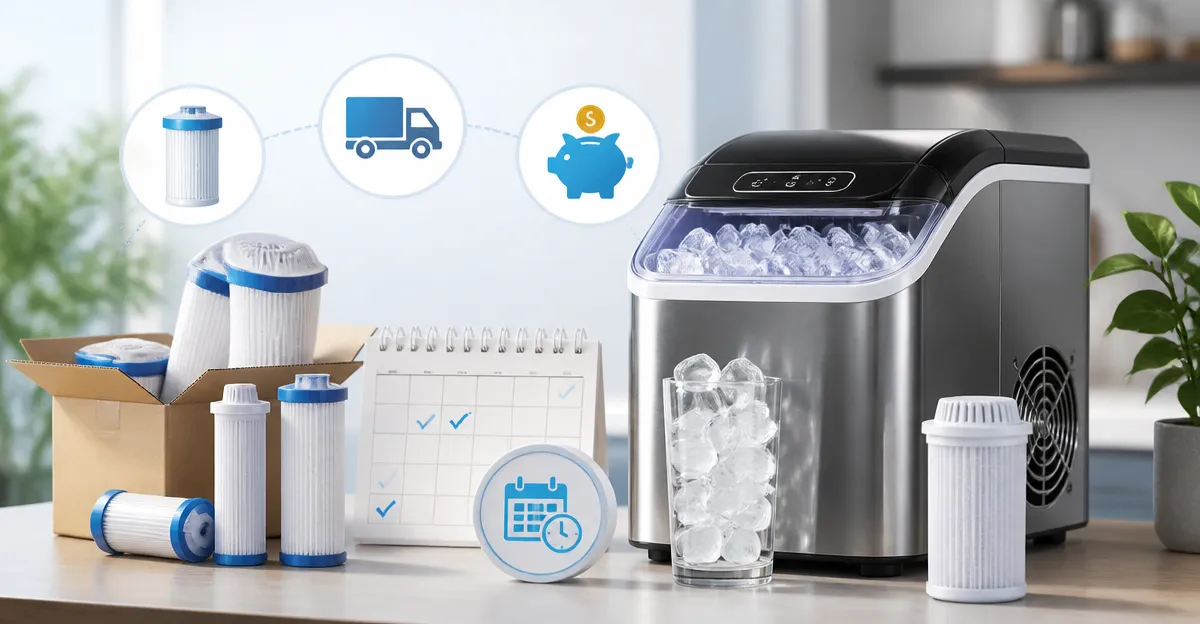
The Ultimate Guide to Countertop Ice Maker Filter Replacement Subscriptions: How to Choose, Schedule, and Save
Introduction
Countertop ice makers have become essential appliances in modern kitchens, offering rapid ice production for drinks, parties, and daily use. However, the quality of the ice depends heavily on the water filter that precedes the freezing chamber. This guide explains the importance of regular filter replacement, explores subscription services that automate the process, and provides actionable strategies to reduce cost while maintaining optimal performance. Readers will learn how to evaluate filter technologies, compare leading products, and implement a maintenance schedule that aligns with their usage patterns.
By the end of this article, one will understand the technical criteria that differentiate filters, be able to select a subscription model that fits a household budget, and possess a set of best‑practice tips for extending the life of both the filter and the ice maker.
Background and Context
Water quality directly influences ice clarity, taste, and safety. Impurities such as chlorine, sediment, and mineral buildup can cause cloudy ice, off‑flavors, and even scale that shortens the lifespan of the ice maker. Most countertop units incorporate a replaceable inline filter that removes these contaminants before the water enters the freezing mechanism.
Manufacturers typically recommend filter changes every three to six months, depending on water hardness and usage frequency. Failure to replace the filter on schedule can result in reduced ice production, increased energy consumption, and potential damage to the appliance.
Subscription services have emerged to address the inconvenience of remembering replacement dates. By delivering new filters on a predetermined schedule, these services aim to ensure consistent water quality while offering price incentives compared with one‑time purchases.
Understanding Filter Replacement Subscriptions
A filter replacement subscription is a recurring delivery model that provides the appropriate cartridge at regular intervals. Subscriptions may be offered directly by manufacturers, third‑party retailers, or specialized water‑filter services. Key attributes to evaluate include delivery frequency, price per cartridge, cancellation policy, and any bundled accessories such as installation tools.
For countertop ice makers, the most common subscription cadence is every three months, aligning with the typical filter lifespan for average household water usage. Some services allow users to adjust the interval based on actual consumption data, which can further optimize cost savings.
When selecting a subscription, one should verify that the supplied filter matches the model specifications of the ice maker. Using an incompatible filter can void warranties and diminish filtration performance.
Below are three products that integrate well with subscription models due to their universal fit and long‑term filter life.
- everydrop Whirlpool Ice Filter – a single‑pack filter designed for Whirlpool ice makers, offering a five‑year lifespan when used with a subscription plan.
- Aqua Crest Inline Water Filter – provides chlorine reduction and odor removal, compatible with most countertop units.
- EcoPure Inline Refrigerator Water Filter – a universal fit filter with a five‑year certification, ideal for subscription delivery.
Evaluating Filter Types and Technologies
Filters differ primarily in their filtration media, capacity, and certification standards. The most common technologies include activated carbon, ion exchange resin, and mechanical sediment screens. Activated carbon excels at removing chlorine and organic compounds, resulting in better taste and odor control. Ion exchange resin targets hardness minerals such as calcium and magnesium, reducing scale formation. Mechanical screens capture larger particles like sand and rust.
When assessing a filter, consider the following specifications:
- Filtration capacity (gallons or liters) – higher capacity reduces the frequency of replacement.
- NSF/ANSI certification – indicates compliance with recognized safety and performance standards.
- Compatibility – ensure the connector size (typically 1/4‑inch) matches the ice maker inlet.
- Life expectancy – expressed in months or years based on average usage.
Among the featured products, the Waterdrop Inline Water Filter is NSF certified and advertises a one‑year high‑capacity design, making it suitable for households with heavy ice consumption.
The GE Profile Opal Scale Filter focuses on scale inhibition, employing a blend of carbon and ion exchange media to protect the ice maker’s internal components.
Choosing the Right Subscription Plan
To determine the optimal subscription, one should calculate the average monthly water usage of the ice maker. A typical countertop unit produces 10‑12 pounds of ice per day, translating to roughly 2‑3 gallons of water. Over a three‑month period, this equals approximately 180‑270 gallons. Selecting a filter with a capacity exceeding this range ensures that the subscription delivers a fresh cartridge before the previous one reaches its end‑of‑life.
Compare subscription pricing against the cost of a single‑pack purchase. Many vendors offer a 10‑15 % discount for recurring orders, plus free shipping. For example, a three‑month subscription of the everydrop Whirlpool Ice Filter may cost $12 per cartridge, whereas the same filter bought individually could be $14.
Flexibility is another factor. Look for plans that allow pause or skip options during vacation periods, preventing unnecessary deliveries.
Finally, read the cancellation policy. A subscription that requires a long‑term contract may not be suitable for users who prefer to test a filter before committing.
Scheduling Replacements Effectively
Even with a subscription, it is prudent to set reminders for filter installation. Calendar alerts, smart‑home notifications, or the manufacturer’s mobile app can serve as prompts. Installing the filter promptly maintains water quality and avoids the risk of clogged media, which can strain the ice maker’s pump.
Installation is generally straightforward: turn off the water supply, detach the old cartridge, align the new filter’s connectors, and secure it with the provided clamp. Many filters, such as the Aqua Crest Inline Water Filter, come with a quick‑connect fitting that eliminates the need for tools.
Document the installation date on the filter’s label. This practice enables users to track actual service life, which may differ from the manufacturer’s estimate based on water quality variations.
For households with multiple ice makers, consider synchronizing filter changes to a single day to simplify logistics.
Cost‑Saving Strategies Beyond Subscriptions
While subscriptions provide convenience, additional savings can be achieved through bulk purchasing, rebate programs, and seasonal promotions. Some retailers offer a discount when buying a three‑pack of filters, effectively reducing the per‑unit price.
Check for manufacturer coupons or Amazon Lightning Deals, which can lower the upfront cost. Combining a coupon with a subscription discount can result in a cumulative saving of up to 25 %.
Another approach is to use a water‑softening system in conjunction with the filter. Softened water reduces mineral load on the filter media, extending its effective lifespan and delaying the need for a replacement.
Finally, monitor the ice maker’s performance metrics—such as ice output rate and power consumption. A sudden decline may indicate a clogged filter, prompting an earlier change and preventing costly repairs.
Comparison and Selection Guide
| Product | Filter Media | Capacity | Life Span | Key Benefit |
|---|---|---|---|---|
| everydrop Whirlpool Ice Filter | Activated carbon + sediment screen | 5‑year certified (approx. 1,000 gal) | 5 years | Long life, brand‑specific fit |
| Aqua Crest Inline Water Filter | Activated carbon | 250 gal | 3 months (average) | Reduces chlorine and odor |
| EcoPure Inline Refrigerator Water Filter | Carbon block | 5‑year certified (approx. 1,000 gal) | 5 years | Universal fit for many brands |
| GE Profile Opal Scale Filter | Carbon + ion exchange resin | 3‑month supply (approx. 300 gal) | 3 months | Scale inhibition for Opal ice makers |
| Waterdrop Inline Water Filter | NSF‑certified carbon blend | 1‑year high capacity (approx. 400 gal) | 1 year | Certified performance, fast installation |
When choosing a filter, align the capacity with the calculated water usage, prioritize NSF certification for safety, and consider brand‑specific designs if the ice maker manufacturer recommends a proprietary cartridge.
Best Practices & Tips
- Maintain a log of filter installation dates; this simple record helps verify whether the subscription interval matches actual usage.
- Inspect the filter housing for leaks after each change; a tight seal prevents water loss and potential damage.
- Combine filter replacement with a routine cleaning of the ice maker’s water reservoir to eliminate biofilm buildup.
- If the water source is known to have high iron content, select a filter that includes a sediment pre‑filter to protect the carbon media.
- Take advantage of the Amazon Subscribe & Save program, which automatically applies a discount and free shipping for eligible items.
Frequently Asked Questions
- 1. How often should I replace the filter if I use my ice maker daily?
- For daily use, most manufacturers recommend a replacement every three months, which aligns with the typical capacity of 250‑300 gallons.
- 2. Can I use a universal filter on a brand‑specific ice maker?
- Yes, provided the connector size matches (usually 1/4‑inch) and the filter media meets the required performance standards.
- 3. Does a subscription guarantee the filter will never run out before the next delivery?
- Subscriptions are scheduled based on average usage; if water quality is poor or usage is exceptionally high, one may need to replace the filter sooner.
- 4. Are NSF‑certified filters worth the extra cost?
- NSF certification ensures the filter has been independently tested for contaminant reduction, making it a reliable choice for health‑conscious consumers.
- 5. What should I do if my ice maker stops producing ice after a filter change?
- First, verify that the filter is installed correctly and that the water line is not kinked. If the problem persists, check for air trapped in the line and purge it according to the manufacturer’s instructions.
- 6. Can I pause my subscription while traveling?
- Most subscription services allow you to skip a delivery or pause the schedule through your account settings, preventing unwanted shipments.
- 7. Is there a noticeable taste difference between carbon and ion‑exchange filters?
- Carbon filters excel at removing chlorine and organic odors, resulting in a fresher taste, while ion‑exchange filters primarily target hardness minerals and may have less impact on flavor.
Conclusion
Effective filter management is essential for maintaining the performance and longevity of countertop ice makers. By understanding filtration technologies, calculating water usage, and selecting a subscription plan that matches those needs, one can ensure consistent ice quality while achieving significant cost savings. The products highlighted in this guide—such as the everydrop Whirlpool Ice Filter and the Aqua Crest Inline Water Filter—provide reliable options for a variety of household scenarios. Implementing the best‑practice tips and leveraging subscription discounts will empower users to enjoy clear, great‑tasting ice without the hassle of manual reordering.
Products Featured in This Guide
everydrop Whirlpool Ice Filter
Price: Not listed; Rating: Not listed
Featured for its five‑year certified capacity and brand‑specific design, making it ideal for Whirlpool countertop ice makers.
Aqua Crest Inline Water Filter
Price: Not listed; Rating: Not listed
Featured for its effective chlorine reduction and universal 1/4‑inch connection, suitable for most countertop ice makers.
EcoPure Inline Refrigerator Water Filter
Price: Not listed; Rating: Not listed
Featured for its universal fit and five‑year certification, offering flexibility across multiple refrigerator and ice maker models.
GE Profile Opal Scale Filter
Price: Not listed; Rating: Not listed
Featured for its scale‑inhibiting technology, essential for preserving the performance of Opal nugget ice makers.
Waterdrop Inline Water Filter
Price: Not listed; Rating: Not listed
Featured for its NSF certification and one‑year high‑capacity design, suitable for high‑usage households.