Ultimate Guide: Best Ice Types for Stirred vs Shaken Cocktails — Choose Cube, Crushed & Clear Ice
Introduction
The art of cocktail preparation relies heavily on the type of ice used. This guide explains how ice influences dilution, temperature, and texture in both stirred and shaken drinks. Readers will learn the science behind each ice form, discover practical recommendations, and receive actionable tips for mastering cocktail craftsmanship. By the end of this article, one will be equipped to select the optimal ice for any mixed‑drink scenario.
Background and Context
Ice performs three essential functions in a cocktail: it chills the liquid, it dilutes the mixture, and it contributes to mouthfeel. The rate at which ice melts determines the dilution level, while the surface area of the ice governs how quickly temperature is transferred. Clear ice, often produced through directional freezing, contains fewer air bubbles and offers a slower melt, whereas crushed ice presents a large surface area that accelerates cooling and dilution. Understanding these principles is fundamental for any bartender or home enthusiast seeking consistency.
Ice Types and Their Ideal Applications
Cubed Ice
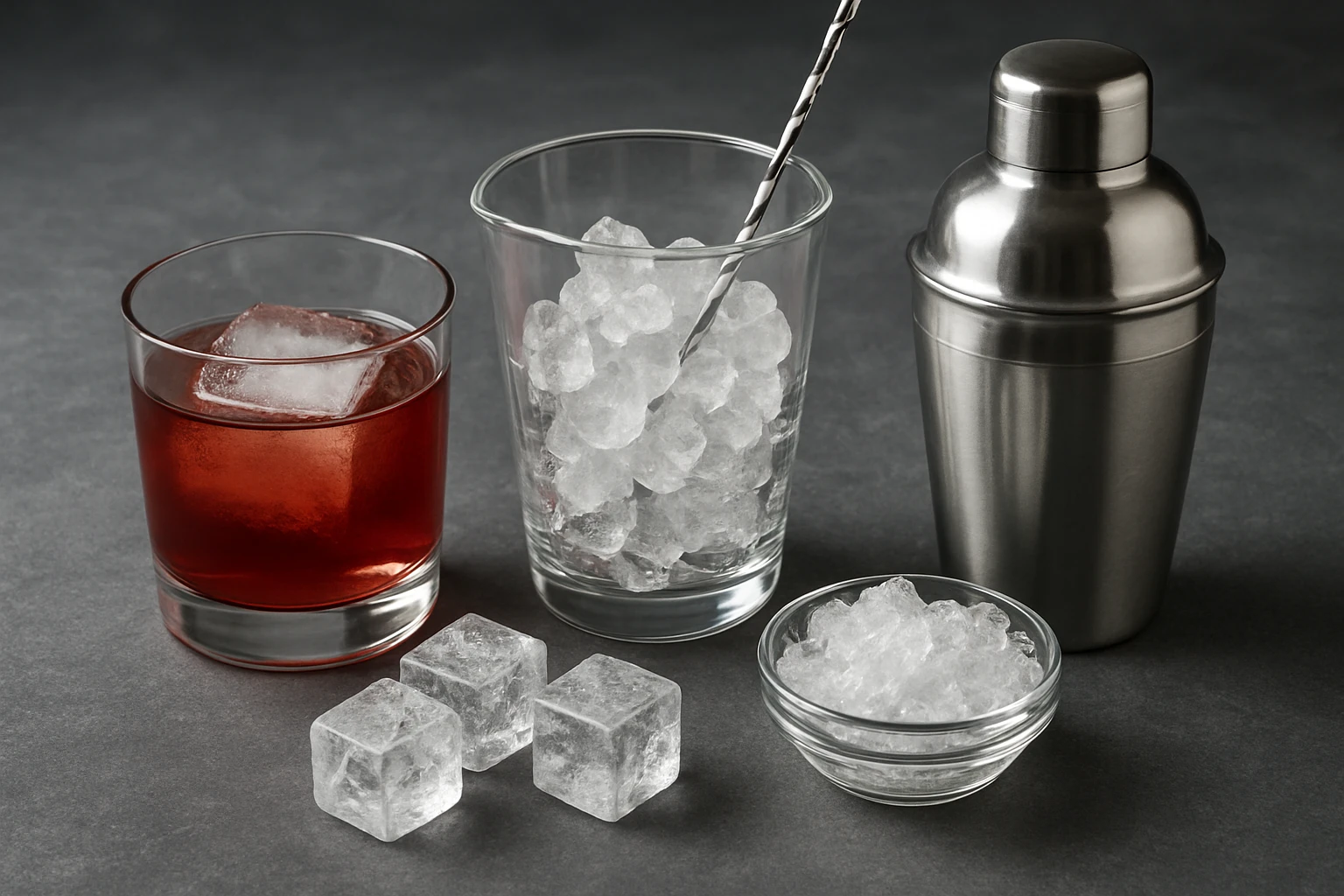
Cubed ice is the most common form found in home freezers. Its uniform shape provides predictable dilution, making it suitable for stirred cocktails such as the Old Fashioned or Manhattan. However, standard home‑freezer cubes often contain trapped air, resulting in a cloudy appearance and faster melt. For premium results, clear cubed ice produced with specialized molds or trays can enhance visual appeal and slow dilution.
One product that addresses this need is the Joseph Joseph Ice-Cube Tray. This tray creates linked cavities that allow water to flow freely, filling faster and reducing splashing. The stackable lid prevents freezer odors from contaminating the cubes, and the 14‑cube capacity ensures ample supply for multiple drinks. With a 4.5‑star rating from 409 reviews, it offers both convenience and quality for cocktail enthusiasts.
Crushed Ice
Crushed ice consists of small, irregular shards that maximize surface area. It is the preferred choice for shaken cocktails, tiki drinks, and beverages that require rapid chilling, such as a Daiquiri or a Mint Julep. The increased surface area accelerates heat transfer, producing a frosty texture while delivering a higher dilution rate, which can balance strong spirits.
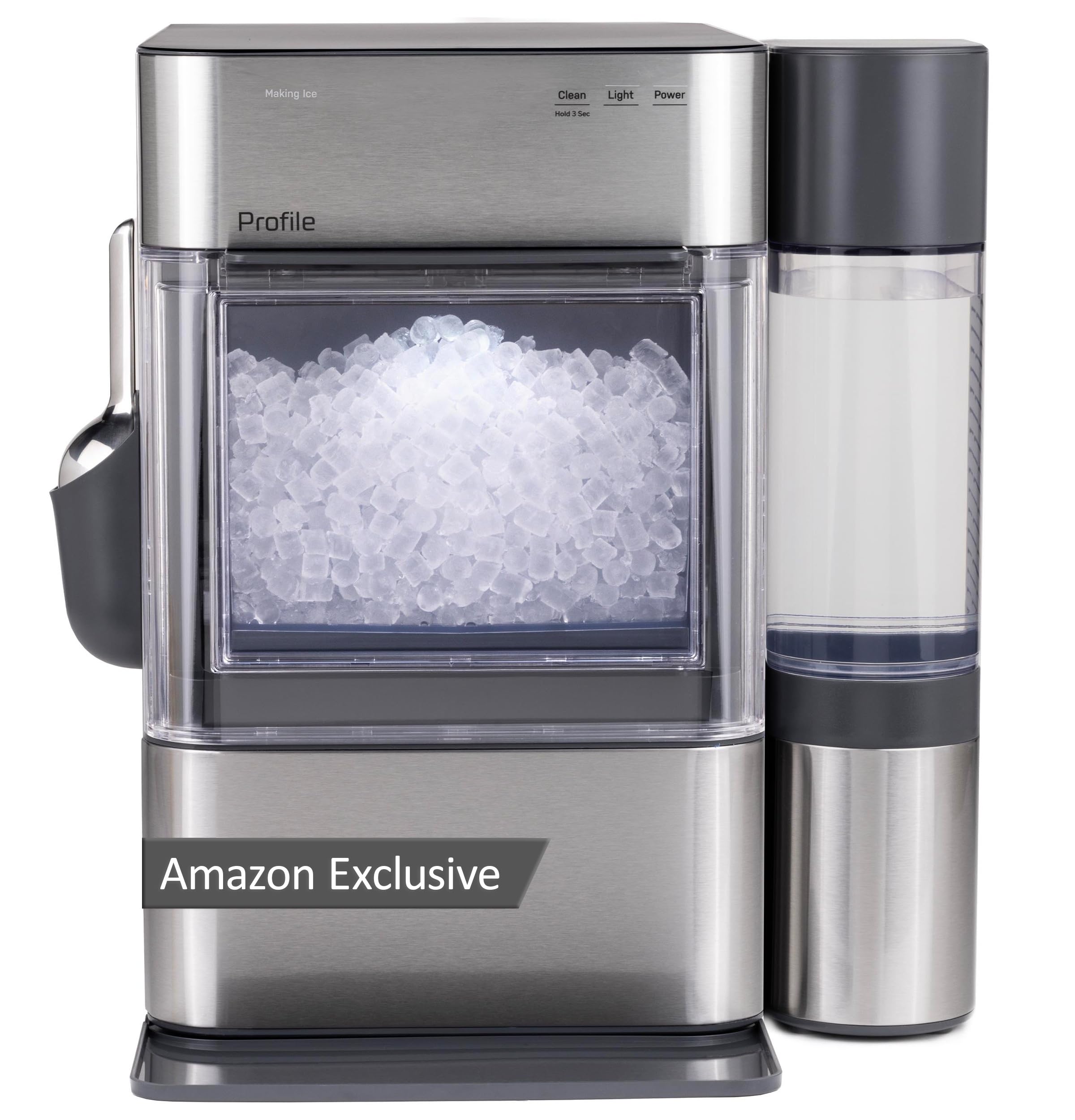
For those who desire consistent nugget‑style ice without a built‑in water line, the GE Profile Opal Ultra Nugget Ice Maker offers a compact countertop solution. It generates soft, chewable nugget ice in approximately ten minutes and can produce up to 38 lb per day, sufficient for entertaining or small‑scale bar operations. The unit includes a 1‑gallon side tank, Wi‑Fi smart control via the SmartHQ app, and voice integration with Alexa and Google Home. With a 4.1‑star rating from 35 reviews, it balances performance and modern convenience.
Clear Ice
Clear ice is created through directional freezing, which forces air and impurities out of the ice block, resulting in a crystal‑clear appearance and slower melt rate. This type of ice is ideal for high‑end stirred cocktails where visual presentation and controlled dilution are paramount. Clear ice cubes also impart a smoother mouthfeel, as the absence of trapped air reduces the “crunch” associated with cloudy cubes.
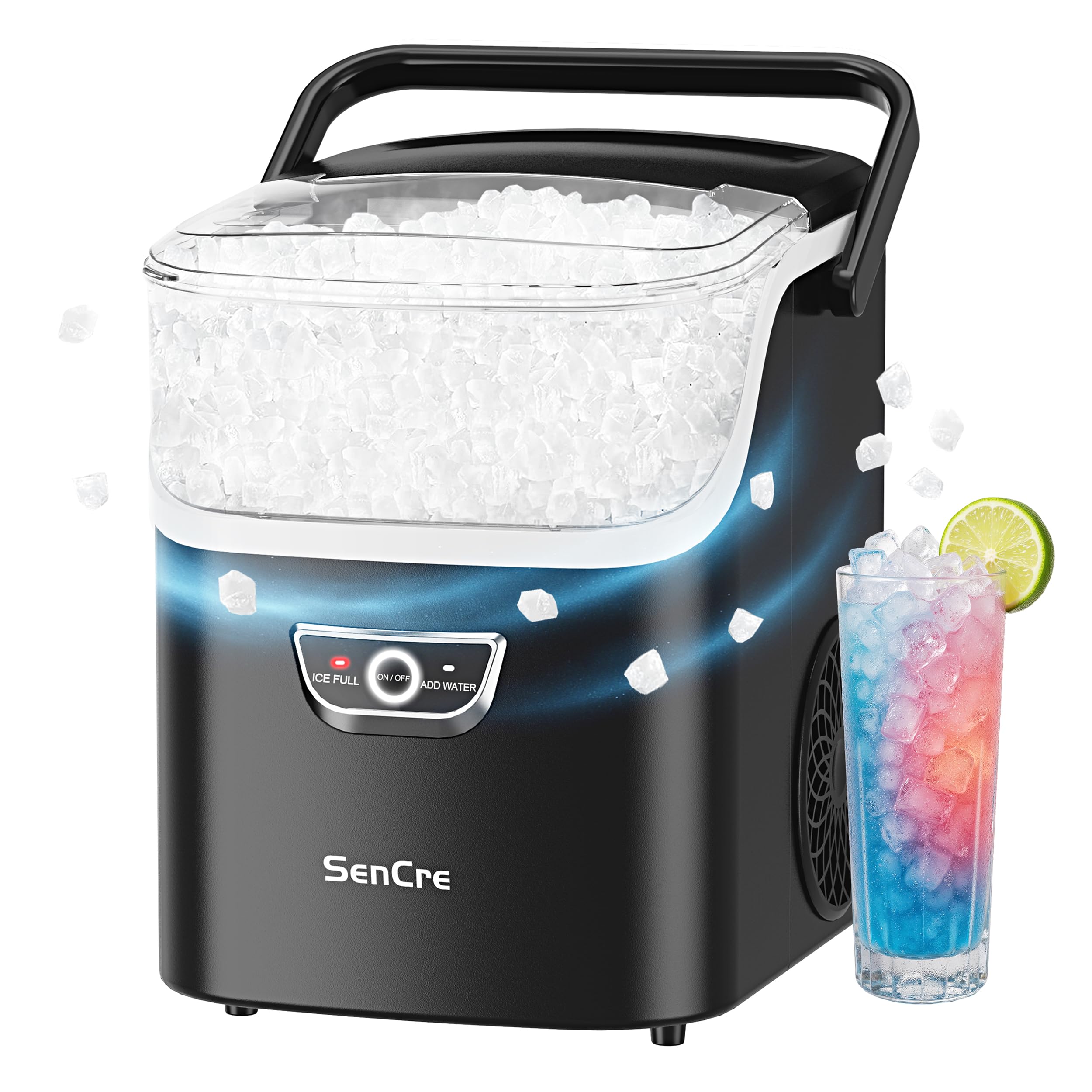
The SenCre Portable Nugget Ice Maker provides an alternative approach by delivering nugget ice that mimics the texture of clear ice while offering rapid production. It delivers the first batch in five minutes and can produce up to 40 lb per day, making it suitable for large gatherings. Its quiet operation, auto‑cleaning cycle, and portable design with a sturdy handle add practical benefits. The device holds a 4.9‑star rating from 27 reviews, indicating strong customer satisfaction.
Comparison and Selection Guide
Selecting the appropriate ice depends on three primary factors: cocktail style, desired dilution rate, and aesthetic preference. The table below summarizes the key attributes of each ice type and aligns them with common cocktail categories.
| Ice Type | Best For | Dilution Speed | Visual Appeal | Typical Use Cases |
|---|---|---|---|---|
| Cubed Ice (Clear) | Stirred, spirit‑forward drinks | Medium (controlled) | High (transparent) | Old Fashioned, Manhattan, Negroni |
| Crushed/Nugget Ice | Shaken, tropical, high‑volume drinks | Fast | Medium (cloudy or nugget) | Daiquiri, Mojito, Mint Julep |
| Clear Ice Blocks (cut into cubes) | Premium presentations | Slow (minimal) | Very High (pristine) | Vesper, Sazerac, high‑end whiskey drinks |
When choosing a product, consider the following decision flow: If the primary need is rapid chilling for large batches, a nugget ice maker such as the GE Profile Opal Ultra or SenCre Portable model is advisable. If visual clarity and controlled dilution are essential, invest in a high‑quality ice‑cube tray like the Joseph Joseph Ice‑Cube Tray or a dedicated clear‑ice mold. Budget constraints, countertop space, and desired automation level should also influence the final decision.
Best Practices & Tips
- Store ice in a dedicated freezer compartment to avoid odor transfer; the lid on the Joseph Joseph tray helps maintain purity.
- Pre‑chill glassware before adding ice to reduce the amount of melting required for temperature equilibrium.
- When using crushed ice, fill the shaker only halfway to allow adequate space for shaking and to prevent over‑dilution.
- For clear ice, rinse the ice block with cold water before cutting to remove any surface impurities.
- Maintain nugget ice makers by running the auto‑clean cycle regularly; the SenCre model offers a ten‑minute program that simplifies upkeep.
Frequently Asked Questions
1. Does clear ice really affect the taste of a cocktail?
Clear ice melts more slowly because it contains fewer air bubbles, resulting in a steadier dilution rate that preserves the intended balance of flavors. The visual clarity also enhances the perceived quality of the drink.
2. How often should I replace the water filter in a nugget ice maker?
Manufacturers typically recommend replacing the filter every three months or after producing approximately 100 lb of ice, whichever occurs first. The GE Profile Opal Ultra includes a filter indicator within the SmartHQ app to simplify tracking.
3. Can I use regular tap water for making clear ice?
Using filtered or distilled water reduces mineral content, which helps achieve greater clarity. While tap water can be used, the resulting cubes may exhibit cloudiness due to dissolved gases and minerals.
4. Is crushed ice suitable for whiskey on the rocks?
Crushed ice cools whiskey rapidly but also dilutes it quickly, which may mask subtle flavor notes. For a slower, more nuanced experience, clear cubed ice is generally preferred.
5. What is the noise level of countertop nugget ice makers?
Modern units are engineered for quiet operation; the SenCre Portable Nugget Ice Maker advertises a low‑noise design suitable for shared living spaces.
6. How do I prevent freezer burn on stored ice cubes?
Store cubes in airtight containers or use a lid, as the Joseph Joseph Ice‑Cube Tray does, to minimize exposure to cold air and prevent freezer burn.
7. Can I make ice ahead of time and store it for later use?
Yes, ice can be prepared in advance. For optimal clarity, keep the ice sealed in a zip‑lock bag or an insulated container to protect it from freezer odors.
Conclusion
Choosing the right ice type is a decisive factor in crafting exceptional cocktails. Cubed clear ice excels in stirred, spirit‑forward drinks, while crushed or nugget ice provides rapid chilling for shaken and tropical beverages. Modern appliances such as the Joseph Joseph Ice‑Cube Tray, GE Profile Opal Ultra Nugget Ice Maker, and SenCre Portable Nugget Ice Maker empower both professionals and enthusiasts to achieve consistent results. By applying the best‑practice tips and understanding the science of dilution, one can elevate every cocktail experience.
Products Featured in This Guide
Joseph Joseph Ice‑Cube Tray
Price: $14.99 | Rating: 4.5/5 (409 reviews)
Featured for its linked cavities that speed filling, stackable lid that prevents odor transfer, and 14‑cube capacity, making it ideal for clear cubed ice in stirred cocktails.
GE Profile Opal Ultra Nugget Ice Maker
Price: Not listed | Rating: 4.1/5 (35 reviews)
Featured for its fast‑producing nugget ice, 38 lb daily capacity, Wi‑Fi smart control, and voice command compatibility, perfect for shaken and high‑volume drinks.
SenCre Portable Nugget Ice Maker
Price: $161.49 | Rating: 4.9/5 (27 reviews)
Featured for its rapid 5‑minute first batch, 40 lb daily output, quiet operation, and auto‑cleaning cycle, providing versatile nugget ice for both shaken and stirred applications.